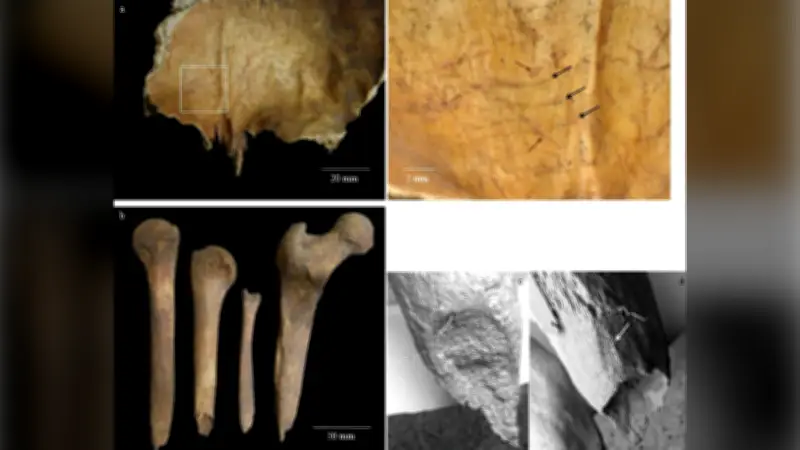
A recent study has shed light on burial rituals from the Iron Age, including the removal of the brain and the sharpening of long bones into points. These practices provide new clues about the connections between ancient communities.
Evidence of Postmortem Manipulation
Researchers examined bones that showed clear signs of postmortem manipulation. Incisions on the inside of the cranium indicated the removal of the brain, while long bones were sharpened into points, suggesting they were used as tools or for ceremonial purposes.
The study, published by Antiquity Publications Ltd., involved a team of scientists including Laura Castells Navarro, Sebastian Metz, Madeleine Bleasdale, Jane Evans, Michael Legge, Lindsey Büster, David Reich, and Ian Armit. They analyzed skeletal remains to understand the rituals performed after death.

Implications for Iron Age Societies
These findings suggest that Iron Age communities had complex burial practices that may have been linked to beliefs about the afterlife or social status. The manipulation of bones indicates a level of sophistication in their treatment of the dead.
The research also highlights the interconnectedness of different groups during the Iron Age, as similar practices have been found in various regions. This points to a shared cultural or religious framework across wide geographic areas.
Further studies are needed to fully understand the significance of these rituals and their role in Iron Age society. The evidence provides a valuable window into the lives and beliefs of ancient peoples.