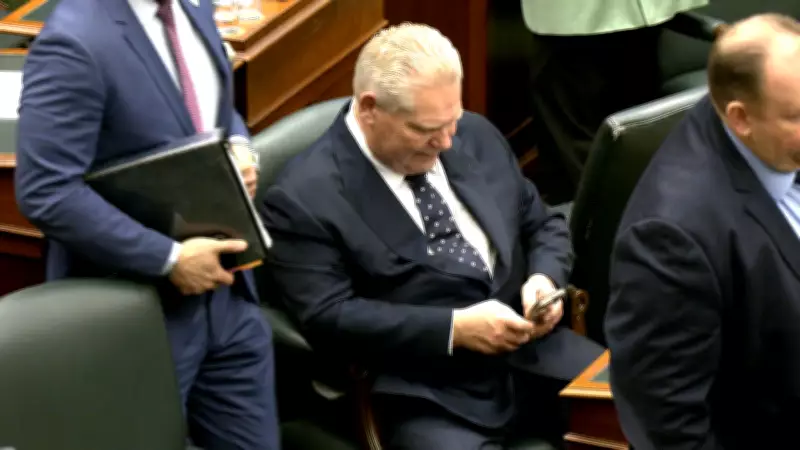
The Ontario government led by Premier Doug Ford has passed a budget that includes provisions allowing the premier and cabinet ministers to keep their office records confidential. This move has raised concerns among transparency advocates who argue it undermines public accountability.
Budget Provisions
The budget, approved at Queen's Park, introduces measures that exempt the premier and ministers from disclosing certain records related to their offices. Critics say this could shield decision-making from public scrutiny.
Reactions
Opposition leaders have condemned the move, calling it a step backward for open government. Premier Ford defended the budget, stating it focuses on fiscal responsibility and efficiency.

The new rules apply to records such as emails, memos, and other documents generated within ministerial offices. This marks a significant shift from previous practices where such records were subject to freedom of information requests.
Context
This development comes amid broader debates over government transparency in Canada. Similar measures have been introduced in other provinces, drawing criticism from media and civil society groups.
The budget also includes funding for healthcare, education, and infrastructure, but the secrecy clause has dominated headlines.
Next Steps
Legal challenges are expected from advocacy groups who argue the provisions violate the principles of open government. The government has indicated it will defend the budget in court if necessary.
As the budget takes effect, observers will watch how these secrecy rules are implemented and whether they set a precedent for future administrations.