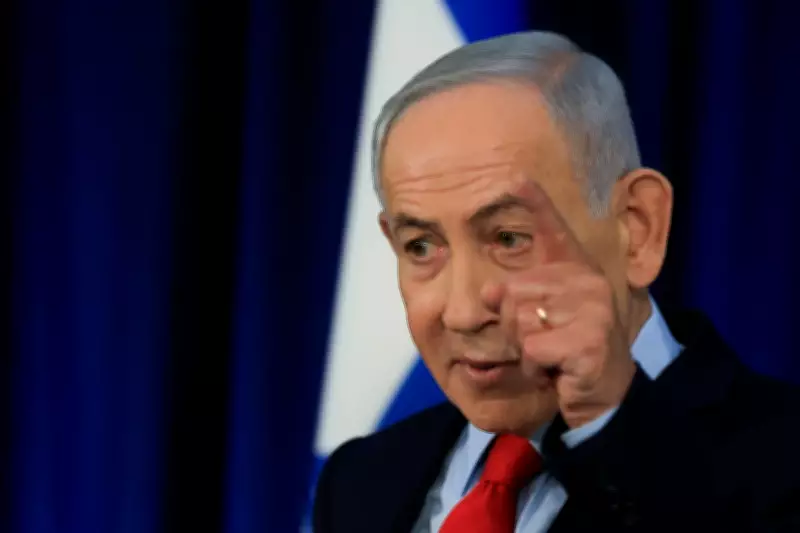
In a significant political development, two former Israeli prime ministers have agreed to merge their parties in a bid to challenge current Prime Minister Benjamin Netanyahu. The alliance, announced on Sunday, brings together the political forces of former leaders who have previously held the nation's highest office. This merger is seen as a strategic move to consolidate opposition votes and present a unified front against Netanyahu's long-standing tenure.
Details of the Merger
The agreement was reached after weeks of negotiations between the two former premiers, whose identities have not been officially disclosed but are widely speculated to be from the center-left political spectrum. The new alliance aims to leverage their combined experience and voter bases to mount a credible challenge in the next general election, scheduled for later this year.
Political analysts note that this merger could significantly alter the electoral landscape, as both former leaders have maintained substantial public support. However, challenges remain, including reconciling differing policy positions and past rivalries.

Reactions from Netanyahu's Camp
Prime Minister Netanyahu's office has dismissed the merger as a desperate act by politicians who failed to unseat him individually. In a statement, a spokesperson for Netanyahu said, 'This is a coalition of the rejected, not the elected. The public will see through this political stunt.'
Netanyahu, who has been in power for over a decade, faces ongoing corruption trials and criticism over his handling of security and economic issues. His Likud party remains a dominant force, but recent polls suggest a tight race if the opposition unites.
Impact on Israeli Politics
The merger is expected to energize opposition supporters and could attract undecided voters seeking a clear alternative to Netanyahu. It may also prompt other smaller parties to align with the new bloc, further strengthening its position.
However, some experts warn that internal disagreements could weaken the alliance. The two former prime ministers have different visions on key issues such as the Palestinian conflict, settlement expansion, and economic policy. Their ability to compromise will be crucial for the bloc's success.
The announcement comes amid heightened tensions in the region, including ongoing security threats from Hamas and Hezbollah, as well as strained relations with the Biden administration over Iran nuclear talks. The new alliance has pledged to prioritize national security while pursuing diplomatic solutions.
As the election campaign heats up, all eyes will be on how this merger reshapes the political dynamics in Israel. Voters will decide in the coming months whether this united opposition can finally end Netanyahu's reign.