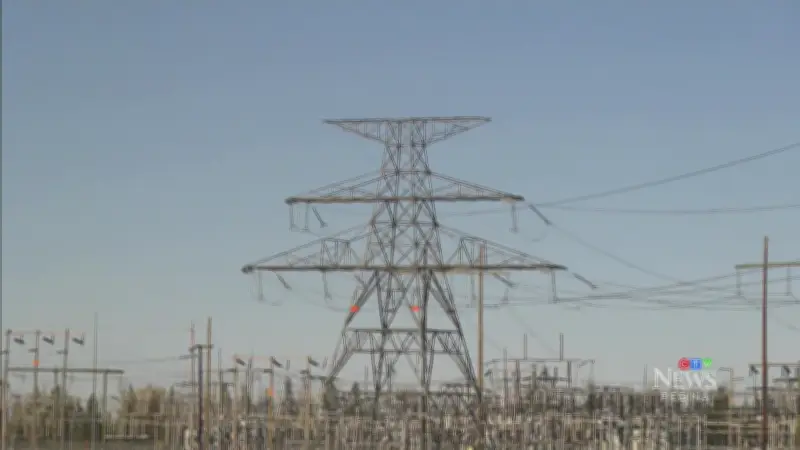
Technology analyst Daniel Bader has weighed in on recent polling data that reveals growing opposition among Canadians to the establishment of artificial intelligence data centres. The backlash, which Bader describes as both 'reflexive and honest,' underscores deep-seated public anxieties about the rapid expansion of AI infrastructure.
According to Bader, the resistance is not merely a reaction to the physical presence of data centres but reflects broader concerns about privacy, energy consumption, and the societal implications of AI. 'People are worried about what these centres mean for their personal data, the environment, and the future of work,' he said in an interview.
The polling data, conducted by a leading research firm, indicates that a significant portion of Canadians are skeptical about the benefits of AI data centres, with many citing a lack of transparency from tech companies and government regulators. Bader noted that the backlash is particularly pronounced in communities where data centres are being proposed or built, leading to local protests and calls for stricter oversight.

He emphasized that the concerns are not unfounded, pointing to issues such as the high energy demands of data centres and their contribution to carbon emissions. However, Bader also cautioned against dismissing the potential economic and technological benefits. 'We need a balanced conversation that addresses legitimate worries while recognizing the role these centres play in innovation,' he said.
The analyst urged policymakers to engage more directly with the public, providing clear information about the safeguards in place and the long-term benefits. 'The backlash is a signal that Canadians want to be part of the decision-making process. Ignoring it would be a mistake,' Bader concluded.