







Tech Giants Forecast $650 Billion AI Infrastructure Spending Surge by 2026
Big Tech to Spend $650B on AI Infrastructure by 2026

Unprecedented $650 Billion AI Infrastructure Investment Planned by Tech Titans

Four of the United States' largest technology corporations have projected combined capital expenditures reaching approximately US$650 billion by 2026, representing an extraordinary financial commitment to artificial intelligence infrastructure development. This massive investment wave, focused primarily on constructing new data centers and acquiring specialized hardware, signals an intensifying battle for dominance in the rapidly evolving AI marketplace.

Historic Spending Scale Without Modern Parallel

The planned expenditures by Alphabet Inc., Amazon.com Inc., Meta Platforms Inc., and Microsoft Corp. constitute what analysts describe as a spending boom without equivalent in the current century. Each company's projected 2026 budget approaches or exceeds their combined capital expenditures from the previous three years, potentially setting individual corporate spending records not seen in at least a decade according to financial data analysis.

To find comparable historical investment surges, observers must look back to the telecommunications expansion of the 1990s, or even further to nineteenth-century railroad network development, mid-twentieth-century interstate highway construction, or New Deal-era infrastructure programs. The sheer magnitude of this planned spending represents a fundamental reshaping of corporate investment patterns.

Specific Company Projections Reveal Aggressive Postures

Recent earnings reports have provided specific insights into individual company strategies:

  • Meta Platforms anticipates full-year capital expenditures potentially reaching US$135 billion, representing an approximate 87 percent increase
  • Microsoft reported a 66 percent surge in second-quarter capital spending, with analysts projecting nearly US$105 billion for the fiscal year ending June 2026
  • Alphabet surprised investors with a forecast exceeding US$185 billion in capital expenditures
  • Amazon topped all projections with planned 2026 capital expenditures of approximately US$200 billion

These announcements triggered significant market reactions, including one of the largest single-day declines in market value for affected stocks, highlighting investor concerns about the scale of these commitments.

Broader Economic Implications and Infrastructure Challenges

The collective 60 percent year-over-year spending increase represents more than just corporate strategy—it signals a fundamental acceleration in global data center construction and the associated financing required to support this infrastructure expansion. This building surge has already generated multiple economic effects:

  1. Unprecedented corporate borrowing levels to finance construction
  2. Strained energy supplies in regions hosting new facilities
  3. Community conflicts over rising power and water consumption
  4. Potential distortion of macroeconomic indicators including construction spending, GDP measurements, durable goods reports, and employment statistics

Analysts note that concentrated spending by this small group of affluent technology companies, which already represents a growing portion of U.S. economic activity, could create misleading impressions of broader economic health.

Comparative Industry Context

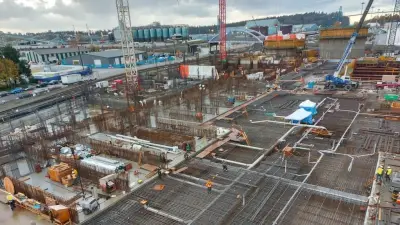
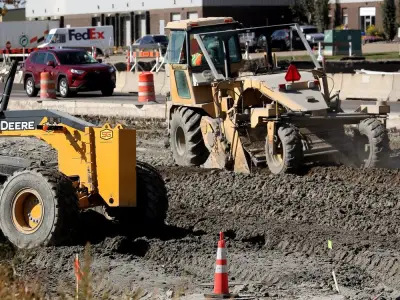
The scale of this technology investment becomes particularly striking when compared against other major industrial sectors. According to compiled estimates, twenty-one leading U.S. corporations across multiple industries—including automotive manufacturing, construction equipment, railroads, defense contracting, wireless communications, parcel delivery, energy, retail, and industrial conglomerates—are projected to spend a combined US$180 billion in 2026.

This means the four technology giants alone plan to invest more than 3.6 times the combined capital expenditures of these twenty-one major corporations from diverse sectors.

Strategic Imperatives Driving Unprecedented Investment

Industry observers attribute this spending surge to fundamental strategic calculations about the future of artificial intelligence. "These companies view the race to provide AI computing capacity as potentially the next winner-take-all or winner-takes-most market," explained Gil Luria, an analyst at DA Davidson. "None of them appears willing to risk falling behind in this critical technological arena."

The infrastructure being constructed—sprawling facilities housing racks of specialized servers powered by advanced processors—represents the physical foundation for what companies believe will be the next generation of technological dominance. This investment wave reflects both extraordinary opportunity and perceived necessity in an increasingly competitive AI landscape.