







Iran Conflict Triggers Global Economic Shockwaves: Oil, Fertilizer, and Insurance Costs Soar
Iran War Sparks Oil, Fertilizer, and Insurance Price Surge

Economic Fallout from Iran Conflict Hits American Consumers Hard

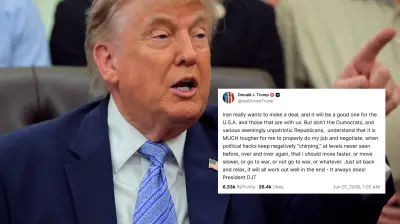
The United States and Israel initiated military strikes against Iran on February 28, launching a conflict dubbed "Operation Epic Fury" by the Trump administration. Now, only four weeks into the war, the economic repercussions are proving severe and persistent for both the U.S. and global economies. Far from being a temporary disruption, this conflict is triggering a cascade of cost increases that will directly impact American households.

Strait of Hormuz Closure Creates Global Energy Crisis

In response to the attacks, which Iran's health ministry reports have killed over 1,500 Iranians, Tehran has effectively blocked all movement through the strategically vital Strait of Hormuz. This 21-mile-wide waterway is a critical artery, passing an estimated 20 million barrels of crude oil and petroleum products daily from the Persian Gulf to global consumers. The late February closure has halted approximately one-fifth of the world's oil and liquefied natural gas (LNG) supply.

The immediate result has been a dramatic surge in oil prices. According to the U.S. Energy Information Administration, the cost of crude oil averaged between $62 to $82 a barrel this time last year. By March 20, the global benchmark Brent crude oil settled at $112.19 per barrel—a staggering increase of nearly 50%. Energy experts warn that prices are likely to climb even higher as hostilities continue to escalate.

Wide Pickt banner — collaborative shopping lists app for Telegram, phone mockup with grocery list

From Gas Pumps to Grocery Aisles: A Chain Reaction of Costs

Americans are already feeling the pinch at the gas pump, but the financial pain is set to extend much further. Dionne Mitchell, a director at humanitarian organization CSO Yemen, explains the direct link between fuel costs and food prices. "Many people often forget that modern food production relies on fuel for tractors on farms and for the trucks transporting produce," Mitchell told HuffPost. "When fuel gets more expensive, every single step of getting food to a plate costs more."

Mitchell, whose work focuses on delivering aid in conflict zones, highlighted how global instability disrupts supply chains. "Just one blocked port or a dangerous sea lane can stop our food deliveries for many weeks," she added, noting that the Strait of Hormuz closure represents "a massive bottleneck for global shipping." For American farmers and distributors, this prolonged oil price shock compounds the economic instability they have faced since the implementation of Trump's tariffs in 2025.

Fertilizer Supply Squeeze Threatens Food Production

The economic impact is not limited to oil. A critical and often overlooked fact is that one-third of the world's traded fertilizer ingredients transit through the Strait of Hormuz. According to the U.N. Food and Agriculture Organization, the waterway carries roughly 30% of globally traded fertilizers, with Gulf producers being major suppliers of key ingredients like ammonia and urea.

Since the war began, Reuters reports that urea prices have risen by approximately $80 per ton. This creates a dire situation for farmers, who must now seek alternative suppliers, face delays, or absorb significantly higher costs. In a public letter to President Trump last week, 54 agriculture groups, including the American Farm Bureau Federation, detailed how "severe weather, high expenses and global uncertainty" are "squeezing the farming industry to the breaking point."

Tennessee farmer Todd Littleton, who cultivates 4,000 acres of corn, is experiencing this fallout firsthand just before planting season. "It's not only the cost in diesel, it's the unplanned $50-per-acre increase in the cost of nitrogen," a critical component of his corn crop fertilizer, he told MarketWatch. "To put it in perspective, the increases in fertilizer and fuel costs means it will cost me an additional $100,000 to plant corn this year."

Agriculture Secretary Brooke Rollins acknowledged the crisis on March 16, stating, "We're looking at every potential avenue to keep the fertilizer costs down as these farmers are going into planting season." However, she offered no immediate solutions, adding only that she had "no big announcements yet, but it is coming." She estimated that while most farmers had secured fertilizer, around a quarter had not.

Pickt after-article banner — collaborative shopping lists app with family illustration

Insurance Premiums Rise, Adding Another Layer of Cost

Beyond oil and fertilizer, another less visible factor is poised to drive up supermarket prices: skyrocketing insurance costs. The vessels that ship through the Strait of Hormuz carry multiple forms of insurance to protect their cargo. Given the regional upheaval and the waterway's closure—with potential threats targeting any vessels that attempt passage—insurers are substantially raising their premiums.

Analysis from Marsh's "2026 Global Terrorism Risk Insurance Report" and international research firm Morningstar DBRS suggests that even a recent U.S. government proposal to support insurance for vessels in the strait may be insufficient to quickly restore commercial navigation. The fundamental principle remains: higher risk translates directly into higher insurance costs.

Consequently, even if the Strait of Hormuz reopens, the expense of sending ships through it will likely be permanently elevated. These increased shipping and insurance costs will inevitably be passed on to farmers purchasing fertilizer and other goods, creating a compounded financial burden.

The "Make America Affordable" Promise Fades

This multifaceted economic crisis stands in stark contrast to the Trump administration's earlier promises of affordability and lower costs. Americans have already spent a year grappling with elevated grocery bills, partly due to previous tariffs. Now, U.S.-led involvement in the Iran war is layering on additional cost pressures.

The blockade of the Strait of Hormuz has triggered a perfect storm of rising oil prices, fertilizer shortages, and increased insurance premiums. This triad of economic pressures is converging to threaten significant inflation in food production costs. The result will soon hit consumers where it hurts most: the checkout line at the grocery store, turning the pledge of an affordable America into a distant memory.