







Wall Street Plunges as AI Disruption Fears and Inflation Data Rattle Markets
U.S. stocks experienced a significant decline on Friday, driven by renewed investor anxiety over companies vulnerable to the artificial intelligence revolution and a surprisingly discouraging inflation update. The market downturn coincided with rising oil prices fueled by escalating tensions between the United States and Iran, adding to the day's volatility.
Major Indexes Suffer Losses Amid Broad Sell-Off
The S&P 500 dropped 0.7%, heading toward what would be only its second losing month in the past ten. The Dow Jones Industrial Average plummeted 589 points, or 1.2%, as of 10:40 a.m. Eastern time, while the Nasdaq composite fell 0.8%. This widespread decline reflects a shift in investor focus toward identifying potential losers in the AI era, with software firms and other businesses at risk of being supplanted by AI-powered competitors.
AI-Driven Workforce Cuts Signal Structural Changes
Block, the company behind Cash App and Square, highlighted the transformative impact of AI after CEO Jack Dorsey announced plans to cut its workforce by nearly half, despite reporting a strong 2025 performance and increasing shareholder returns through stock buybacks. In a letter to shareholders, Dorsey emphasized that "intelligence tools have changed what it means to build and run a company," noting that a smaller team using advanced tools can achieve more efficiently. He added, "I don't think we're early to this realization. I think most companies are late. Within the next year, I believe the majority of companies will reach the same conclusion and make similar structural changes." Block's stock surged 17.8% following the announcement of over 4,000 job cuts from a workforce exceeding 10,000.
Fears of AI Disruption Extend Across Industries
Concerns that capable AI tools could replace entire companies or erode profit margins have triggered sudden sell-offs in stocks perceived as under threat. This trend has affected diverse sectors, from trucking logistics to legal services. Salesforce, a customer relationship management platform, fell 3.7%, nearly erasing its previous day's 4% gain despite reporting better-than-expected profits. An ETF tracking the software industry sank 1.9%, bringing its year-to-date loss to 23.3%. The ripple effects have also impacted private-equity firms like Blue Owl Capital, which fell 4.2%, as they face challenges from software companies struggling to repay debt amid AI threats.
Even AI Leaders Face Market Pressure
Companies currently benefiting from AI-related demand are not immune to the downturn. Nvidia dropped 1.6%, marking its worst performance since last spring, despite reporting strong profits and forecasting higher revenue. Rival chipmakers also declined, with investors questioning whether stock prices have become overvalued and if massive AI investments by tech giants like Amazon and Alphabet will yield sufficient returns through enhanced productivity and profits.
Winners and Losers in a Volatile Market
On the positive side, Netflix climbed 8.4% after withdrawing its bid to acquire Warner Bros. Discovery's studio and streaming business, positioning Skydance-owned Paramount to take over its Hollywood rival. Paramount Skydance shares jumped 10.2%, while Warner Bros. Discovery fell 1.6%.
Oil Prices Surge Amid Geopolitical Tensions
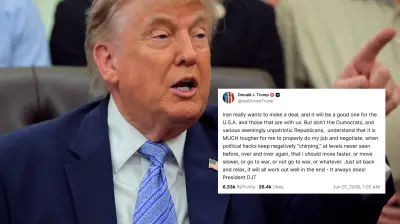
Oil markets saw significant movement, with benchmark U.S. crude oil rising 2.8% to $67.04 per barrel. This increase stems from worries over rising U.S.-Iran tensions related to Iran's nuclear program, as a potential conflict could disrupt global oil supplies. Brent crude, the international standard, rose 2.7% to $72.73 per barrel.
Inflation Data Dampens Rate Cut Hopes
A report showing U.S. wholesale inflation at 2.9% last month, far exceeding economists' expectations of 1.6%, further hurt the market. This higher-than-anticipated figure may delay the Federal Reserve's plans to cut interest rates, which could otherwise boost the economy and investment prices but risk exacerbating inflation. In the bond market, the yield on the 10-year Treasury was at 3.98%, down from 4.02% late Thursday, indicating increased investor nervousness and a shift toward safer assets.
Global Markets Show Mixed Performance
International stock markets presented a mixed picture, with indexes in Europe and Asia fluctuating. South Korea's Kospi fell 1% from its recent record, while Hong Kong's Hang Seng rose 0.9%, reflecting varied responses to global economic pressures.