






U.S. Stocks Extend Losses Amid War Concerns and Historic Options Expiry
U.S. equity markets extended their decline for a third consecutive session on Friday, as earlier optimism for a swift resolution to the Middle East conflict evaporated. The market downturn coincided with traders preparing for an unprecedented quarterly options expiration event, creating a volatile trading environment.
Market Performance and Sector Movements
The S&P 500 Index fell 0.9% as of 11:51 a.m. in New York, positioning the benchmark for its fourth consecutive week of losses—the longest losing streak observed in a year. Energy emerged as the sole sector trading in positive territory, while consumer discretionary and technology sectors suffered significant declines. The tech-heavy Nasdaq 100 dropped 1%, dragged down by notable declines in Nvidia Corp. and Micron Technology Inc.
Commodity markets reflected the geopolitical tensions, with Brent crude oil prices climbing to US$109 per barrel. Market volatility indicators also rose, with the Cboe Volatility Index reaching approximately 26, signaling increased investor anxiety.
Geopolitical Tensions Intensify
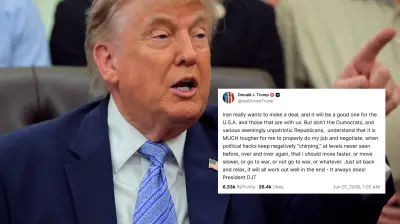
As the Middle East conflict approaches the three-week mark, market participants are increasingly concerned about a prolonged military engagement. Recent reports indicate the United States is deploying three additional warships and thousands of Marines to the region, suggesting a ceasefire remains unlikely in the near term.
"The market is going to get increasingly nervous about a prolonged war, a longer supply chain disruption leading to a more structural issue," said Ohsung Kwon, chief equity strategist at Wells Fargo & Co. "Investors who initially anticipated a quick resolution are now confronting the reality of extended hostilities."
Market analysts note that traders are closely monitoring whether the conflict will conclude within the four-week timeframe initially suggested by United States leadership, though current military developments indicate this timeline appears increasingly optimistic.
Historic Options Expiry Adds Pressure
Compounding the geopolitical concerns, approximately US$5.7 trillion in notional options tied to individual stocks, indexes, and exchange-traded funds were scheduled to expire on Friday. This quarterly event, known as "triple-witching," has historically triggered unexpected price movements as large derivatives positions unwind simultaneously.
Friday's options expiry represents the largest March expiration on record, according to Citigroup Inc. data extending back to 1996. The substantial volume of expiring contracts created additional uncertainty in an already nervous market environment.
"I think the true test of today will be what investors decide to do at the close, before the weekend," said Sameer Samana, head of global equities and real assets at Wells Fargo Investment Institute. "The combination of geopolitical uncertainty and technical factors creates a challenging environment for market participants."
Technical Indicators Signal Concern
The U.S. equity benchmark closed below its 200-day moving average on Thursday, a key technical level that many analysts view as an indicator of the market's overall health. This breach below a significant support level added to the bearish sentiment prevailing in Friday's trading session.
"The break below the 200-day moving average is notable, but not necessarily for today's movement, but for the next few weeks," said Mark Hackett, chief market strategist at Nationwide. "This technical development suggests we may see continued pressure on equity prices in the coming sessions."
Confidence among global stock-market investors has begun to deteriorate, according to observations from Goldman Sachs Group Inc.'s trading desk. Clients who had previously anticipated a rapid resolution to the Middle East conflict are now expressing growing doubts about the timeline and potential economic implications.
Energy Market Implications
The conflict's impact on energy markets remains a primary concern for investors. Recent developments include Iran proceeding with attacks on Arab states in the Persian Gulf, despite signals from Israel that it would refrain from targeting Iran's energy infrastructure. Additionally, reports suggest the United States is considering plans to take control of Iran's key oil-export facility at Kharg Island to increase pressure on Tehran.
"I think that the market is right now coming to grips with the reality that higher energy prices are going to persist longer than expected," said Mark Malek, chief investment officer at Siebert Financial. "The combination of supply disruptions and geopolitical uncertainty creates a challenging environment for energy-dependent sectors of the economy."
As trading concluded for the week, market participants remained focused on both the evolving geopolitical situation and the technical implications of the historic options expiry, with many analysts anticipating continued volatility in the coming sessions.