






Canada's Unacknowledged Conflict with Iran: A Pattern of Hostility
Canada's political leaders consistently assert that the nation is not at war with the Islamic Republic of Iran. They portray this position as cautious, measured, and in alignment with international legal standards. However, foreign policy is not solely defined by official declarations; it is shaped by tangible actions and their consequences. By this critical measure, the Islamic regime has been in a state of conflict with Canada for many years, with escalating incidents that blur the lines between peace and undeclared warfare.
The Tragic Downing of Flight PS752
One of the most visceral examples of this conflict occurred in January 2020, when the Islamic Revolutionary Guard Corps (IRGC) shot down Ukraine International Airlines Flight 752. This catastrophic event resulted in the deaths of all 176 individuals on board, including over half who were Canadian citizens or permanent residents. Initially, the regime denied any responsibility, only to later admit it had "mistakenly" targeted the civilian aircraft. This direct and deadly act by a foreign military force claimed Canadian lives without any meaningful consequences, highlighting a profound disregard for human rights and international norms.
A History of Targeted Violence
The destruction of Flight PS752 was not an isolated incident but part of a disturbing pattern of aggression. In 2003, Iranian-Canadian photojournalist Zahra Kazemi was arrested in Tehran, subjected to torture, and killed while in custody. To this day, her body has not been returned to her family, denying them closure and dignity. This case underscores the regime's hostile posture toward Canada, demonstrating a willingness to harm its citizens with impunity.
Recent Military Escalations
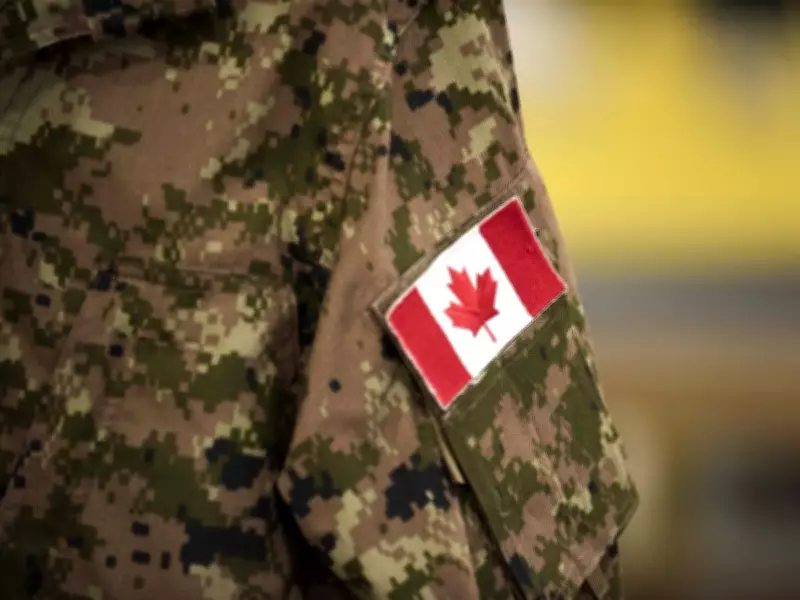
Fast forward to 2026, and the pattern of hostility has escalated to direct military actions. In February and March of that year, Iran launched missile and drone attacks across the Middle East, including a strike on Camp Canada in Kuwait, where Canadian Armed Forces personnel were stationed. Although there were no fatalities, the attack on a base housing Canadian soldiers represents a clear act of aggression. This incident signals that the threat is not confined to historical grievances but extends to current military engagements.
Domestic Threats and Intimidation
The risk is not diminishing and has spread to Canadian soil. In British Columbia, two individuals have been charged with the murder of Masood Masjoody, a Simon Fraser University professor who was openly critical of the Islamic regime. While the case is before the courts, the broader context cannot be ignored. The regime has a well-documented history of targeting dissidents abroad, suggesting potential motives in this case.
Recent incidents further illustrate this escalating threat. In March 2026, shots were fired at an Iranian-Canadian critic's gym and, days later, at the U.S. consulate in Toronto. Although attribution remains under investigation, these shootings align with a pattern of hostility linked to the Islamic regime and its proxies. They followed an explosion at the American embassy in Oslo and preceded a drone attack on the U.S. embassy in Baghdad, indicating a coordinated campaign of intimidation.
Broader Implications and Official Contradictions
Concerns have grown about individuals with alleged IRGC connections operating within Canada, including warnings about potential sleeper networks. Other incidents, such as car-ramming attacks linked to regime affiliates and protests where IRGC symbols and Islamic regime flags are displayed, blur the line between foreign conflict and domestic intimidation. These actions reflect the projection of the regime's ideology into Canada's public spaces, harassing communities and undermining social cohesion.
Individually, each event might be dismissed as a tragic mistake or an isolated act. Collectively, however, they form a compelling pattern that is harder to ignore. Canadians have been killed, targeted, intimidated, and placed in harm's way—both abroad and at home—by actors linked to the Islamic regime. Yet, Canada's official posture remains one of non-involvement, creating a strategic contradiction in foreign policy.
Redefining Conflict in Modern Terms
Canada defines war in narrow, formal terms, such as troop deployments and official declarations. In contrast, the Islamic regime employs asymmetric tactics, proxy actions, intimidation, and plausible deniability. In this framework, war does not require a formal declaration; it only necessitates action. Canada faces a critical choice: continue to treat these incidents as disconnected events or recognize the reality that conflict is already present, even if unacknowledged.
The message from Tehran has been consistent through its actions. This may not be Canada's declared war, but it is increasingly becoming a lived reality. As tensions persist, the need for a reassessment of foreign policy strategies becomes ever more urgent to address this undeclared but palpable conflict.