






Canada's Paralympic Flag Bearers Named Amid Ceremony Boycott Over Russian Inclusion
Canada's Paralympic Flag Bearers Named Amid Ceremony Boycott

Canada's Paralympic Flag Bearers Announced for Milano Cortina 2026

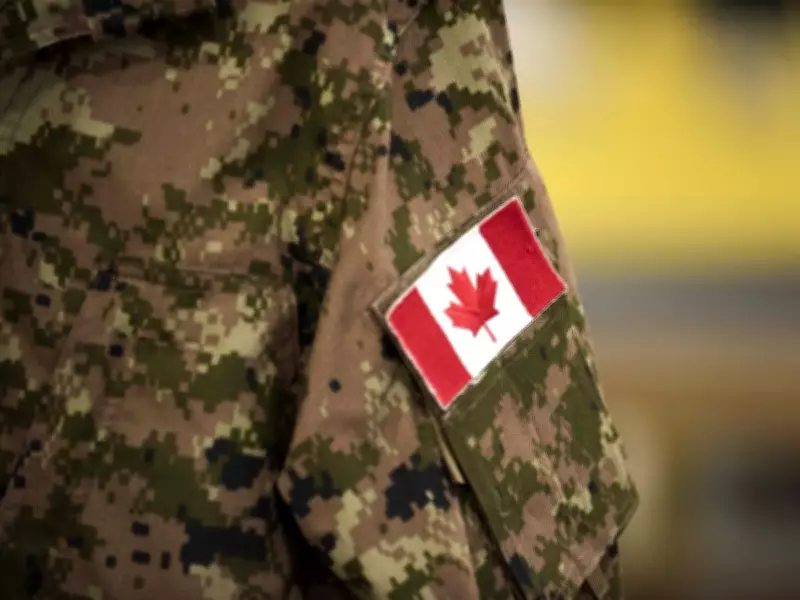
The Canadian Paralympic Committee has officially named Tyler McGregor and Natalie Wilkie as the flag bearers for the opening ceremony of the Milano Cortina 2026 Paralympic Winter Games. However, in a unique twist, neither athlete nor any of Canada's 50 Paralympians will physically attend the event in Verona due to logistical constraints and competition schedules.

Logistical Challenges Lead to Ceremony Absence

The decision to skip the opening ceremony on March 6 was made to prioritize athlete preparation for competitions beginning the following day. McGregor, captain of Canada's para ice hockey team, will be in Milan with his squad, while Wilkie, a seven-time Paralympic medalist in Nordic skiing, will be at the Val di Fiemme athletes' village. Both locations are approximately 170 kilometers from Verona, making travel impractical before events.

Catherine Gosselin-Despres, chief sport officer for the Canadian Paralympic Committee, explained the performance-based rationale. "With the format and location of the opening ceremony different for these Games, we made the decision alongside the sports that athletes would not attend and prioritize preparation for their competition the next day," she stated. "While Tyler and Natalie will not be carrying the flag in person, we will be celebrating them in their villages and amongst the entire Canadian Paralympic team."

International Boycott Over Russian and Belarusian Inclusion

The opening ceremony faces broader international controversy as Ukraine leads a boycott protesting the inclusion of Russian and Belarusian athletes competing under their own flags. Six Russian and four Belarusian athletes have been cleared to participate, reversing bans imposed after Russia's 2022 invasion of Ukraine, which Belarus supported.

Several nations have joined the boycott, including Finland, Czechia, Latvia, Poland, and the Netherlands. Great Britain has also opted out due to logistical reasons similar to Canada's, with their alpine skiing team competing in Cortina, 250 kilometers from Verona.

The Canadian Paralympic Committee reiterated its opposition to the reinstatement of Russian and Belarusian delegations. "We stand in solidarity with Ukrainian athletes and the Ukrainian people," the CPC said in a statement. "We argued and voted against the reinstatement and continue to believe the conditions have not been met."

Athlete Perspectives on the Unusual Arrangement

McGregor, a 31-year-old from Forest, Ontario, expressed mixed feelings about missing the ceremony. "It certainly will be a different experience, not having the opportunity to walk out into an opening ceremony stadium," he said. "But it's still such an honour. Natalie and I were talking yesterday, we'll be there together in spirit even though we're in different villages."

He also noted concern for first-time Paralympians on the team, hoping they might experience a traditional ceremony in the future.

Wilkie, a 25-year-old from Salmon Arm, British Columbia, highlighted technological adaptations. "They're going to be filming from the different villages and adding together all this video into the opening ceremonies, which is going to be really cool," she said. "Given that many of us have competitions the following day, CPC made the performance-based decision that it's probably better we stay in our villages and focus."

IPC Response and Games Overview

The International Paralympic Committee, expecting 665 athletes from over 50 countries across six sports, has urged Ukraine to reconsider its boycott but respects the decision. IPC president Andrew Parsons emphasized inclusion, telling the BBC, "We have a message to give that is one of inclusion and diversity. We encourage them to participate, but if they don't want to, we respect that."

The Milano Cortina Paralympic Games will run from March 6 to 15, 2026, featuring sports such as para ice hockey, Nordic skiing, alpine skiing, biathlon, cross-country skiing, and wheelchair curling. Despite the ceremonial absences and geopolitical tensions, Canadian athletes remain focused on competition excellence and representing their nation with pride.