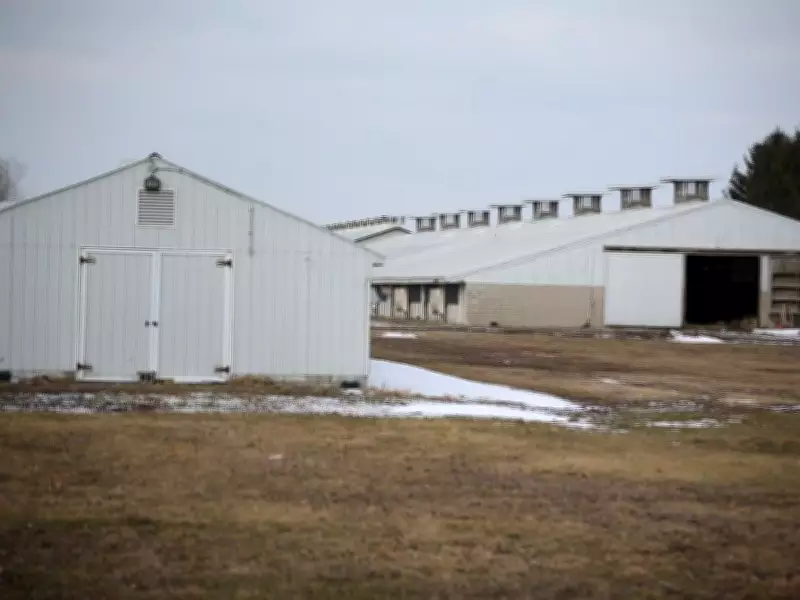
Amherstburg Bird Flu Outbreak: Understanding the Risks and Response
A confirmed case of highly pathogenic avian influenza, commonly known as bird flu, at a commercial poultry farm in Amherstburg has prompted immediate action from health and agricultural authorities. The discovery, made on February 26, 2026, has led to the establishment of strict containment measures, including the mandatory culling of all affected birds and restrictions on the movement of poultry, eggs, and related products.
Containment and Safety Protocols in Effect
The Canadian Food Inspection Agency (CFIA), in collaboration with the Windsor-Essex County Health Unit, is actively working to contain the virus and ensure public safety. A primary control zone has been established around the infected premises, covering areas from the waterfront to as far east as Walker Road in Amherstburg and LaSalle. Within this zone, movements of birds, their products, and any items exposed to birds require a permit to prevent further spread.
Officials have confirmed that all infected birds have been destroyed as part of the containment strategy. The affected farming premises will undergo thorough cleaning and disinfection before any new birds can be introduced. These measures are standard protocol for managing avian influenza outbreaks and are designed to minimize disruption to the local agricultural sector.

Low Risk to General Public Emphasized
Health authorities have consistently emphasized that the risk to the general public remains low. Dr. Mehdi Aloosh, the local medical officer of health, stated, "Human infections with avian influenza are rare and typically only occur through close contact with infected animals." The Windsor-Essex County Health Unit is providing support to individuals who may have been exposed, but there is no indication of widespread human transmission.
The CFIA has reassured the public that Canada's food supply is not currently at risk. While outbreaks can cause localized and short-term disruptions to farm operations, the agency notes that such impacts are typically contained. The virus is primarily transmitted through bird secretions or feces, and it can spread directly between birds or indirectly via contaminated feed, water, equipment, footwear, or clothing.
Broader Implications and Prevention
Highly pathogenic avian influenza poses a significant threat to domestic birds in Canada, including poultry, small flocks, and pet birds with outdoor access. Prevention relies on strict biosecurity measures to protect flocks from HPAI and other common poultry diseases. The containment zone will remain in effect until it is determined that the disease no longer exists in the affected area.
This incident highlights the ongoing challenges of managing avian influenza in agricultural settings. Officials continue to monitor the situation closely, with a focus on minimizing economic impacts while safeguarding animal and public health. The response underscores the importance of rapid detection and coordinated action in addressing such outbreaks.