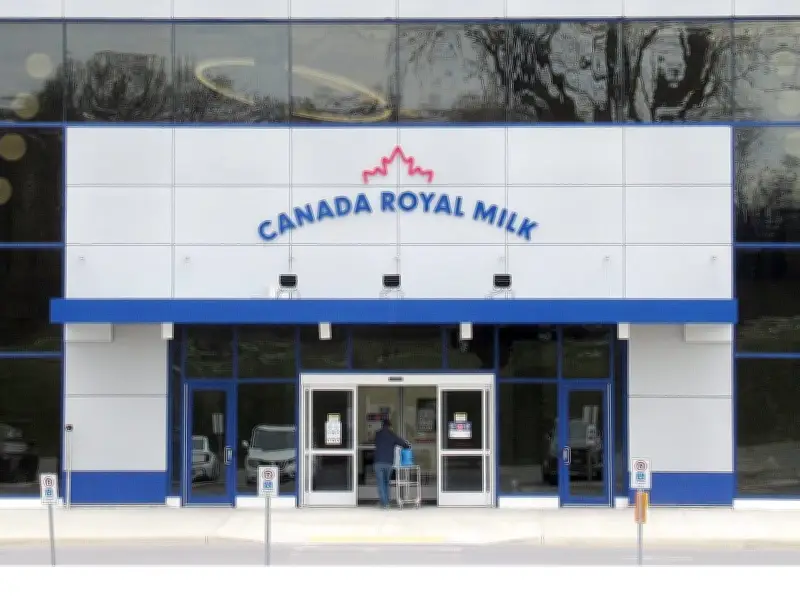
Canada Royal Milk: A Story Ottawa Prefers to Avoid
Canadians pay a premium for dairy products under the promise that supply management protects farmers, ensures domestic production, and safeguards food sovereignty. However, newly released government records about Canada Royal Milk in Kingston, Ontario, challenge this narrative and demand greater transparency.
The Facility and Its Export Focus
Owned by Chinese dairy giant Feihe, the Kingston plant is Canada's largest infant formula manufacturing facility. It received regulatory approvals in March 2024 and launched its Niuriss brand in July 2024. While touted as a success story for jobs and milk sales, early planning documents show that approximately 85% of its production was intended for export to China, with only a small fraction for Canadian consumers. Evidence suggests exports have already occurred to China and potentially the United States.
Public Subsidies and Redacted Records
At least $24 million in federal support has been provided, with additional requests made through Agriculture and Agri-Food Canada's Supply Management Processing Investment Fund. However, portions of the records remain redacted, leaving Canadians uncertain about the total taxpayer commitment. This lack of clarity undermines trust in a system that claims to prioritize domestic food security.

Contradictions with Supply Management
Supply management is defended as a shield against foreign competition and a guarantee of food sovereignty. Yet a Chinese-owned processor uses quota-protected Canadian milk to produce goods primarily for export. This raises questions about consistency, especially as Canada prepares for CUSMA review, where U.S. officials have criticized Canadian dairy policies.
Questions That Need Answers
- How much public money has been invested in total?
- How much supply-managed milk is used for exports?
- What volumes have been exported and to which countries?
- Why are Canadians subsidizing a foreign-owned exporter if supply management is about food sovereignty?
Supply management remains politically protected, but public confidence requires transparency. Canadians paying premium dairy prices deserve to know who benefits and whether public investments align with the system's original purpose. Before trade negotiations, Ottawa must explain this apparent contradiction.