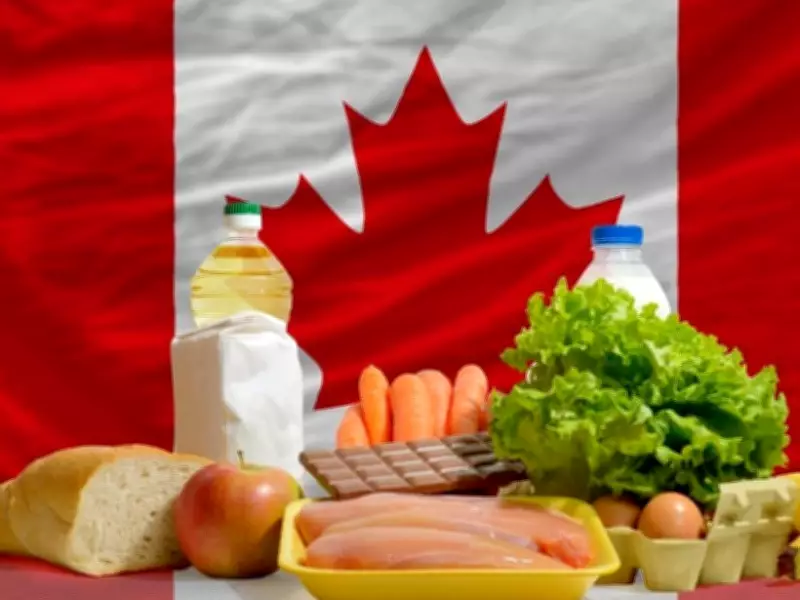
New data from Statistics Canada reveals a stark reality: for the second month in a row, Canada has the highest food inflation rate among G7 nations, now standing at 7.3%. This persistent trend underscores a deepening economic challenge that extends far beyond temporary weather disruptions.
Comparative Analysis with the United States
While Canada grapples with soaring food costs, the United States reports a significantly lower food inflation rate of 2.9%, less than half of Canada's figure. This disparity persists despite aggressive U.S. tariff policies on imported goods, highlighting a competitive gap that demands urgent attention.
Price Increases Across Key Food Categories
Specific food items have seen substantial price hikes. Beef, nuts, pork, and chicken are now between 5% and 7% more expensive compared to a year ago. The only relief for consumers comes from eggs and fresh fruit, which have decreased in price on a year-over-year basis.

Debunking Climate Change as the Primary Cause
Recent statements from federal ministers attributing rising food prices primarily to climate change are increasingly viewed as overly simplistic. While climate conditions do influence agricultural prices, they have not been the main driver of Canada's food inflation for several years. This misdiagnosis risks delaying necessary structural reforms.
Historical Context and Statistical Adjustments
Last year, Canada benefited from a temporary GST holiday, which artificially lowered the inflation index. Even after adjusting for this statistical distortion, estimates suggest food inflation would have remained around 6.3%, still topping the G7 rankings. This indicates a long-term issue rather than a fleeting anomaly.
Structural Factors Driving Inflation
Since 2008, the food component of the Consumer Price Index has consistently outpaced overall CPI growth, signaling that the problem is neither cyclical nor temporary. Key structural contributors include:
- Interprovincial trade barriers, including aspects of supply management with provincial quota administration.
- Multiple layers of taxation affecting the food chain, such as industrial carbon pricing.
- Fragile logistics systems at ports, railways, and trucking networks.
- Aging infrastructure that hampers efficiency and increases costs.
- A smaller, less diversified business ecosystem compared to global competitors, limiting sourcing flexibility.
- A complex regulatory environment, including labeling requirements and administrative compliance burdens.
Impact of Temporary Measures and Fiscal Policies
Counter-tariffs and the GST holiday have introduced additional distortions, such as opportunistic price adjustments or firms absorbing policy-induced costs. These effects, while not always visible to consumers, contribute to the overall economic burden. Furthermore, the enhanced GST credit, valued at nearly $14 billion in the federal budget, adds demand-side pressure that could exacerbate inflation without corresponding productivity gains.
Future Outlook and Policy Implications
Food inflation may decelerate in the coming months, but this does not mean falling prices; it simply indicates a slower rate of increase. Until Canada acknowledges that food affordability is fundamentally a productivity and competitiveness problem, policymakers risk repeating mistakes by treating symptoms rather than addressing root causes.
Experts emphasize that without structural reforms to boost productivity and enhance competitiveness, food prices will continue to rise, albeit at varying speeds, placing ongoing strain on Canadian households and the broader economy.