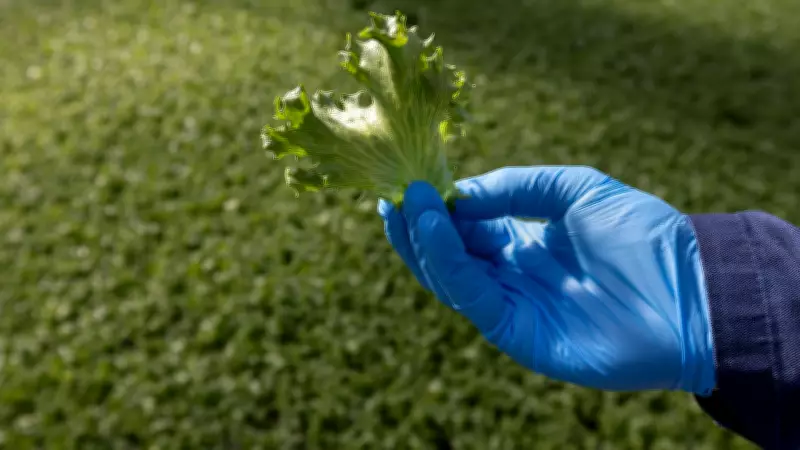
Jay Willmot knows what he does not like, and "bad lettuce" tops the list. This distaste, developed two decades ago during his student days at Dalhousie University in Halifax, has driven him to revolutionize Canada's lettuce supply. Most lettuce consumed by Canadians travels thousands of kilometers from California fields to their plates. Willmot has built a $50-million fully automated greenhouse to change that.
From Bad Lettuce to a Business Idea
Willmot's longstanding frustration with imported lettuce resonates with Canadian salad lovers. Often, imported California greens arrive with a faint whiff of rot, hiding slimy leaves. In 2024, Canada imported 2.47 billion kilograms of U.S. lettuce, valued at about $652 million. Willmot recalled advice from an entrepreneurship professor: "Make a list of the 10 things that piss you off, figure out which ones you can solve and make money from, then pick one you can be the best in the world at."
After careers as a lawyer and in solar energy, and rescuing his family's Kinghaven Farms from development, Willmot turned to beekeeping and continued eating subpar lettuce until he realized lettuce was the farm's future. Growing it could address domestic food security and taste, while challenging the U.S. monopoly on Canada's leafy greens.

The Haven Greens Greenhouse
Haven Greens features a fully automated, high-tech greenhouse costing $50 million. Of Dutch design, it employs Finnish lettuce-growing technology. The greenhouse, equivalent to four football fields, sits on the former horse-training facility. Since March 2025, it has produced 5,352 kilograms of pesticide-free, ready-to-eat lettuce daily, even in winter.
"There is absolutely room for us to keep growing," Willmot said. Plans include a second greenhouse next door and a third, eight-hectare facility capable of producing over 20,000 kilograms daily.
Proximity and Market Success
Haven Greens' proximity to major Canadian markets like Toronto, Montreal, and Halifax ensures fresher lettuce with enhanced shelf life. The company has achieved retail success, selling at Costco, Metro, Sobeys, and independent grocers in Eastern Canada.
Evan Fraser, director of the Arrell Food Institute at the University of Guelph, highlights Canada's vulnerability in fruit and vegetable production. He noted that if Canadians consumed domestically grown produce per dietary guidelines, the supply would run out by April. "We don't produce anything like the amount of fruits and vegetables we should," he said.
Perception and Investment in Agriculture
Alison Sunstrum, founding partner of NYA Ventures Inc., emphasizes the need to reframe agriculture as strategic infrastructure. "We have the land and fresh water, but we don't recognize what an asset we have in agriculture," she said. Seeding Scale, an RBC report, identifies a $13-billion investment opportunity in Canada's agrifood startups.
The Netherlands, despite its small size, is the world's third-largest agricultural exporter, while Canada ranks ninth. Sunstrum notes, "We are missing the boat." Dutch greenhouse expertise is shared by Ontario's greenhouse vegetable growers, who exported $1.6 billion to the U.S. in 2023.
High-Tech Growing Process
Eric Highfield, Haven Greens' chief agriculture officer, describes the facility as "a Lamborghini for growing lettuce." He rises at 4:45 a.m. daily to monitor the crop. The greenhouse maintains 24°C, with lights ensuring 18-20 hours of photosynthesis. Seeds from Holland are planted in gutters with beneficial bacteria and fungi. The growth cycle takes 25 days, from seed to harvest, without human handling.
Highfield offers a taste of "baby crystal leaf" lettuce, which is crisp, crunchy, and almost sweet. At a Metro in Toronto's west end, Haven Greens is a "mover," according to a worker.
Challenges and Future Plans
Tasha Richard, a professor at Dalhousie University, notes that staying on shelves is a hurdle. Haven Greens is on track for profitability by 2027, but faces challenges like fuel costs, fertilizer prices (nearly doubled since January), and supply chain uncertainties from global conflicts. Willmot aims to bring more supply chain elements domestically, recently signing with a supplier in Collingwood, Ontario.

Willmot, who enjoys simple salads, emphasizes the importance of fresh ingredients. "It is all about having a good eating experience, and the fresher the better," he said.