Cocoa futures markets experienced significant volatility this week as traders and analysts closely monitored evolving weather conditions across West Africa, the world's primary cocoa-producing region. The price swings reflect ongoing uncertainty about the impact of the seasonal Harmattan winds on the upcoming harvests in top growers Ivory Coast and Ghana.
Market Prices Reflect Weather Uncertainty
Cocoa contracts in both New York and London fell by as much as four percent during trading on Friday, January 2, 2026, before recovering to pare most of those losses by the session's close. This price action continues a challenging trend for the commodity throughout 2025, with New York futures having declined approximately 48 percent and London contracts dropping more than 50 percent over the past year. The prolonged downturn has been driven by market anticipation of improved harvest volumes and concerns over sluggish global demand for chocolate products.
Improved Conditions in Key Growing Regions
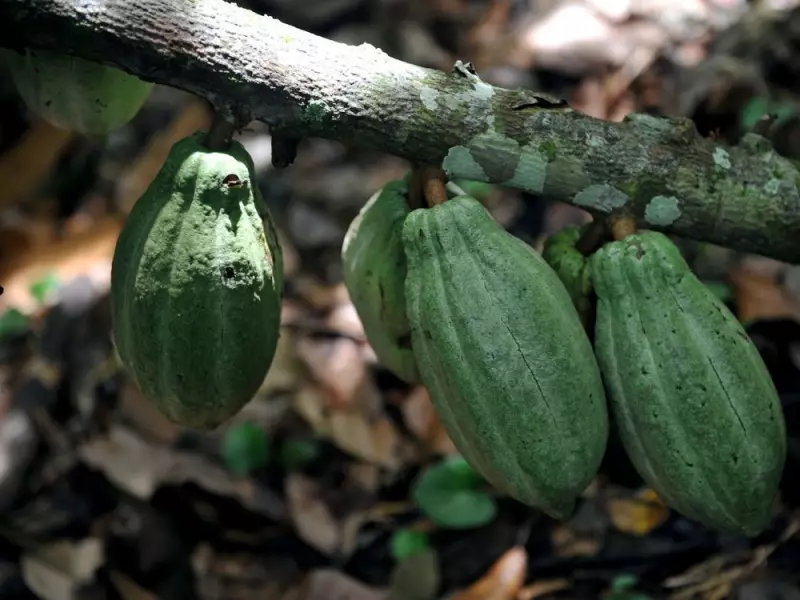
Recent reports from West Africa suggest a potential shift in production fortunes. According to Nisha Kumari, an analyst with Tropical General Investments Group, improved weather conditions in Ivory Coast are now expected to bolster the crucial February-to-March harvest period. Farmers in the region are reportedly observing larger and healthier cocoa pods compared to the same timeframe last year, a positive indicator for yield.

"This supports expectations of a partial recovery in global cocoa supply," Kumari stated, highlighting a potential reversal from the supply constraints that have plagued the market in recent seasons.
The outlook for neighboring Ghana, another cocoa powerhouse, is also improving. Kumari noted that cocoa production in Ghana for the 2025-26 season is projected to increase compared to the previous year. This anticipated recovery is attributed to better overall farm conditions and enhanced crop management practices implemented by growers.
The Harmattan Factor and Recent Rainfall
The market's focus remains fixed on the Harmattan, a dry and dusty wind that sweeps across West Africa from the Sahara Desert between November and March. This seasonal phenomenon can stress cocoa trees if it is particularly severe or prolonged, potentially damaging the sensitive pods. However, the impact of the Harmattan winds has so far been reported as moderate this season, alleviating some of the worst fears of traders.
Adding to the cautiously optimistic picture, weather forecaster Vaisala reported that isolated to scattered showers occurred over southeastern Ivory Coast and southern Ghana on Tuesday, December 31. The forecaster indicated that similar weather patterns were expected to continue in the near term, providing beneficial moisture to the crops.
The interplay between these weather elements—the milder Harmattan and the timely rainfall—is creating a complex picture for commodity traders. While the immediate data points to better harvest prospects, the market remains on edge, leading to the pronounced price swings seen in futures contracts. The coming weeks will be critical as the main harvest progresses, determining whether the projected supply recovery materializes and how it will ultimately influence global cocoa prices and the broader confectionery industry.