Saskatchewan and Alberta Secure Emergency Approval for Strychnine Use Against Gophers
In a significant development for Prairie agriculture, Saskatchewan and Alberta have obtained emergency authorization from Health Canada to utilize strychnine pesticide against gopher populations threatening crops and pastures. The federal government announced this week a time-limited and controlled emergency registration of the highly toxic rodenticide, which was banned in 2024, following a revised joint request submitted by the two provinces last week.
Addressing Agricultural Challenges
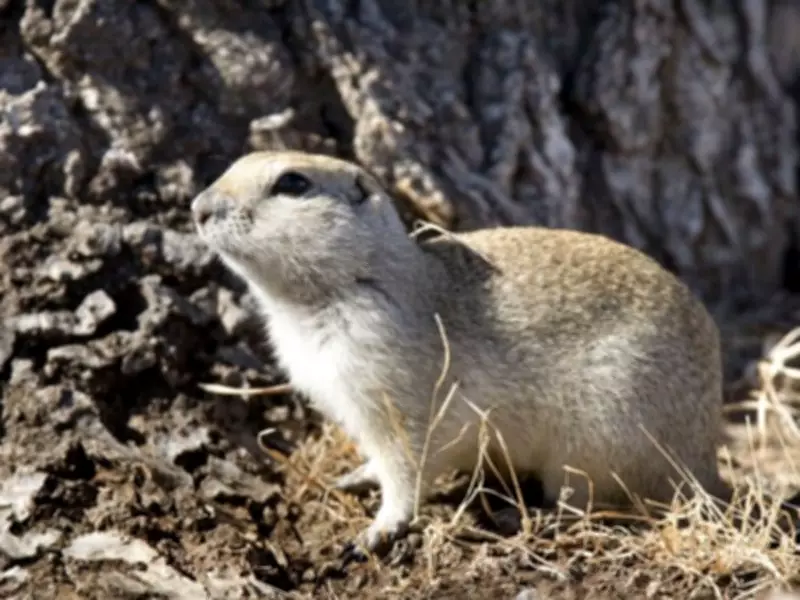
Strychnine, known for its severe impact on the nervous system of animals, was prohibited by Health Canada's Pest Management Regulatory Agency two years ago. However, producers in Saskatchewan and Alberta have faced mounting difficulties managing gophers, also referred to as Richard Ground Squirrels, leading to persistent lobbying for its reinstatement. The recent spike in gopher populations, exacerbated by abnormally dry conditions on the prairies, has resulted in multi-million dollar damages to cereal crops and farmlands.
"Having controlled, emergency registration of strychnine provides producers with a critical tool to help mitigate damage and losses to cereal crops incurred by pests," stated Jocelyn Velestuk, chair of the Saskatchewan Wheat Board, in a news release. She described the announcement as a move in a "positive direction" for Saskatchewan farmers, who are awaiting full details of the authorization.

Scope and Conditions of Approval
Under the emergency authorization, producers in specific crop districts across Saskatchewan and Alberta will be permitted to use a two percent liquid strychnine formulation until November 2027. According to a map on the Saskatchewan government's website, six entire crop districts in south and central Saskatchewan, along with portions of three others and half of one northern district, have been authorized for its use. This targeted approach aims to address the localized impact of gopher infestations while maintaining regulatory oversight.
Saskatchewan Agricultural Minister David Marit expressed satisfaction with the decision, noting, "We are pleased to see the emergency use request granted as a practical opportunity for producers to demonstrate how strychnine can help protect their crops and pastures from continued damage." He added that the provinces hope to see strychnine reinstated permanently in the future as a management tool for gophers.
Environmental and Agricultural Context
The emergency approval comes amid concerns over the sustainability of farmlands affected by dry conditions, which have allowed gopher populations to increase significantly. Health Canada emphasized that the temporary use of strychnine is intended to help Alberta and Saskatchewan address the serious pest threat posed by these rodents, which jeopardize a variety of crops. Stakeholders in Saskatchewan have welcomed the federal government's decision, viewing it as a necessary step to safeguard agricultural productivity and economic stability in the region.
As the provinces implement this emergency measure, ongoing monitoring and evaluation will be crucial to balance crop protection with environmental and health considerations, ensuring that the use of strychnine remains controlled and time-limited as authorized.