Mirabel Farmers Mobilize to Halt High-Speed Rail Development
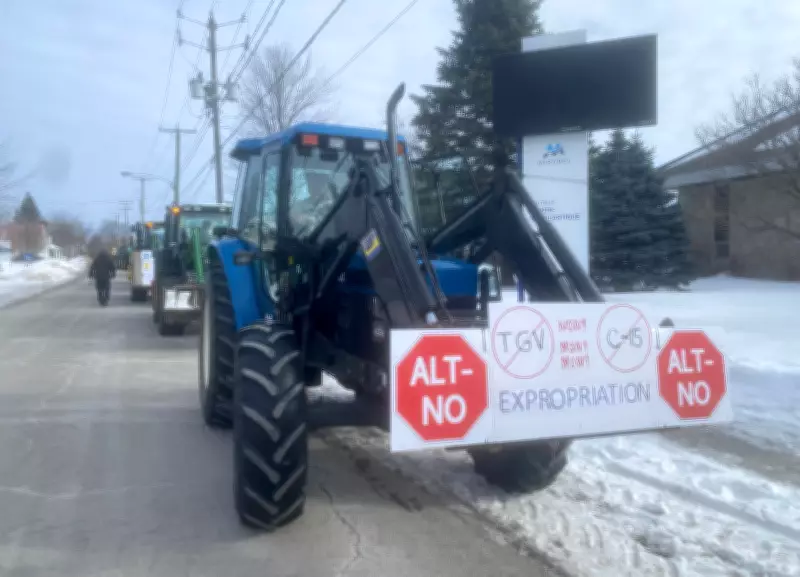
In Mirabel, Quebec, a coalition of farmers is intensifying efforts to block a proposed high-speed rail project, arguing it poses a dire threat to vital agricultural land and rural communities. The movement gained momentum with a public demonstration on February 24, 2026, where participants denounced the potential destruction of farmland essential for local food production and heritage.
Agricultural Concerns Take Center Stage
Farmers express deep apprehension over the rail's planned route, which they claim would fragment and permanently alter prime farming areas. This development could lead to irreversible soil degradation and loss of biodiversity, undermining decades of sustainable agricultural practices. The protesters emphasize that the land in question is not merely a resource but a cornerstone of the region's identity and economy, supporting numerous families and businesses.
Environmental impacts are a key focus, with concerns extending to water quality, wildlife habitats, and increased noise pollution. The high-speed rail's construction and operation may disrupt natural ecosystems, exacerbating challenges already faced by farmers due to climate change and urban sprawl. Community members fear that once the rail is established, it could pave the way for further industrial expansion, eroding the rural character of Mirabel.

Economic and Social Implications
Beyond environmental issues, the project raises significant economic questions. Farmers warn of potential declines in property values and agricultural productivity, which could ripple through the local economy. The loss of farmland might force some operations to shut down, leading to job losses and reduced food security for the region. Additionally, the social fabric of Mirabel could be strained, as long-standing farming traditions and community bonds are threatened by rapid infrastructure changes.
Protesters are calling for a comprehensive review of the rail plan, urging authorities to consider alternative routes or transportation solutions that minimize harm to agriculture. They advocate for greater public consultation and transparency in the decision-making process, highlighting the need to balance modernization with preservation of rural livelihoods.
A Broader Context of Infrastructure Debates
This conflict in Mirabel reflects a larger national conversation about infrastructure development and land use in Canada. Similar disputes have emerged in other provinces, where communities grapple with the trade-offs between progress and conservation. The farmers' stance underscores a growing demand for sustainable development practices that prioritize environmental stewardship and community well-being over unchecked expansion.
As the debate continues, the outcome in Mirabel could set a precedent for how future projects address agricultural concerns. With ongoing demonstrations and advocacy, the farmers aim to ensure their voices are heard, hoping to steer the high-speed rail project toward a more responsible and inclusive path that safeguards the land for generations to come.