

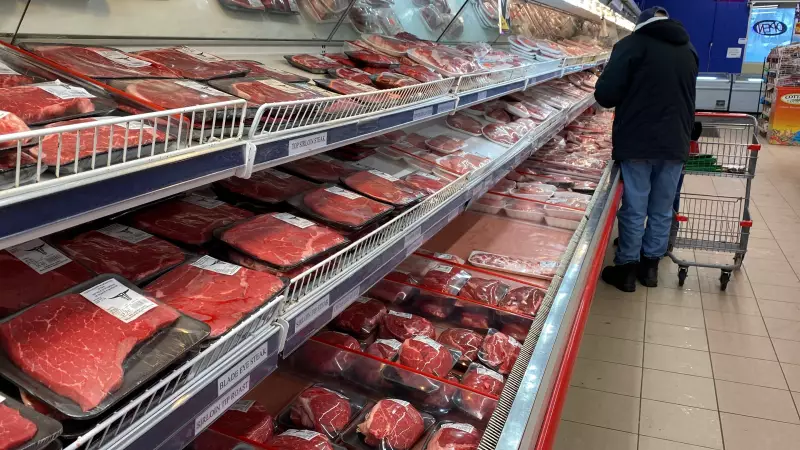
The federal government is making a significant investment in Prince Edward Island's agricultural sector, allocating more than $2 million to upgrade facilities for producing halal and kosher beef. This funding, announced on January 9, 2026, is aimed at helping local processors meet strict religious certification standards and tap into growing market demand.
Details of the Federal Investment
The multi-million dollar commitment is designed to support P.E.I. beef producers in adapting their operations. The funds will be used for specialized equipment, facility modifications, and training required to comply with the rigorous protocols for both halal (permissible under Islamic law) and kosher (fit under Jewish dietary laws) certification. This move recognizes the increasing consumer need for these products both domestically and for potential export opportunities.
Impact on Local Agriculture and Consumers
This federal initiative is expected to have a substantial impact on the island's economy. By empowering local processors, the investment helps create a more diverse and resilient agricultural industry. For consumers, especially within Muslim and Jewish communities across Canada, it promises to improve the availability and potentially lower the cost of high-quality, locally sourced beef that adheres to their religious dietary requirements.

A Strategic Move for P.E.I.'s Agri-Food Sector
Analysts view this funding as a strategic step to position Prince Edward Island as a key player in the niche markets for religiously certified meats. Enhancing production capabilities allows P.E.I. processors to compete more effectively and supply a product that is often imported. The investment underscores the government's focus on supporting innovation and diversification within Canada's vital agri-food sector.
The announcement highlights a continued federal effort to bolster regional economies through targeted agricultural support, ensuring that Canadian producers can meet the evolving needs of a diverse population.






