Fuel Surcharges Ripple Through Eastern Ontario's Farm Economy Amid Iran Conflict Uncertainty
Farmers in eastern Ontario are grappling with the financial strain of escalating fuel surcharges, as uncertainty stemming from the Iran conflict adds pressure to an already volatile agricultural sector. The ripple effects are being felt across the region, threatening profit margins and long-term sustainability for many operations.
Local Farmer Voices Concerns Over Rising Costs
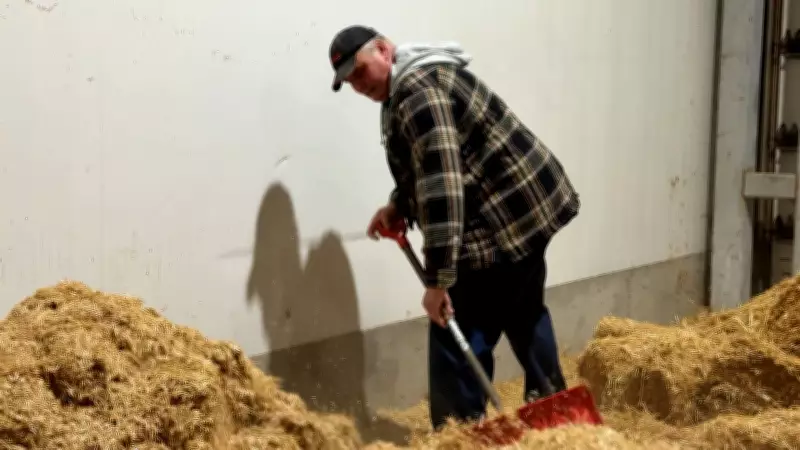
Peter Ruiter, who operates a dairy farm in Ottawa, managed to secure a contract for fertilizer this season, but he remains apprehensive about the future. "High fuel prices are a major worry," Ruiter stated. "While we locked in costs for now, next year's margins could be severely impacted if these trends continue." His concerns echo those of numerous farmers in the area, who rely heavily on fuel for machinery, transportation, and other essential farm activities.
Broader Economic Impacts and Market Volatility
The uncertainty linked to the Iran conflict has contributed to fluctuations in global oil markets, driving up fuel prices and, consequently, surcharges that affect agricultural inputs. This volatility complicates budgeting and planning for farmers, who often operate on thin margins. Eastern Ontario's farm economy, which includes dairy, crop production, and livestock, is particularly vulnerable to such external shocks. Experts warn that prolonged high fuel costs could lead to increased food prices for consumers and reduced competitiveness for local producers.

Strategies for Mitigation and Adaptation
In response to these challenges, some farmers are exploring strategies to mitigate the impact of fuel surcharges. These include:
- Adopting more fuel-efficient technologies and practices.
- Diversifying energy sources, such as investing in renewable options.
- Advocating for government support or subsidies to offset rising costs.
However, the rapid pace of change and geopolitical tensions make it difficult to predict future conditions, leaving many in the agricultural community on edge.
Looking Ahead: A Precarious Balance
As the Iran conflict continues to unfold, its implications for fuel prices and agricultural economics remain uncertain. Farmers like Ruiter are calling for greater stability and support to navigate these turbulent times. "We need to plan for the long term, but it's hard when external factors keep shifting," he remarked. The situation underscores the interconnectedness of global events and local economies, highlighting the need for resilient agricultural systems in eastern Ontario and beyond.