Ottawa's Temporary Federal Gas Tax Suspension Sparks Varied Responses from Key Industries
The Canadian federal government's announcement of a temporary suspension of the federal gas tax has elicited a range of reactions from the agriculture and trucking industries, with stakeholders expressing both optimism and caution regarding the potential economic impacts. The move, set to take effect next week, aims to provide immediate cost relief for energy-intensive sectors across the nation, but opinions vary on its effectiveness and duration.
Agriculture Sector Welcomes Short-Term Relief
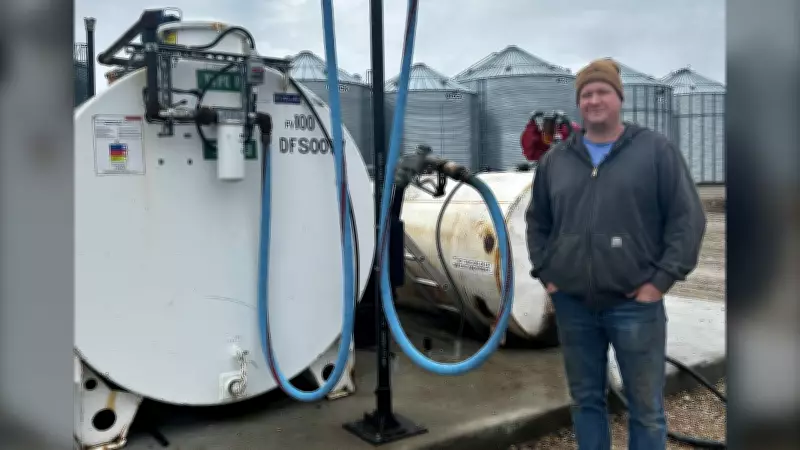
Farmers have largely welcomed the temporary gas tax suspension, citing it as a crucial measure to alleviate financial pressures in an industry heavily reliant on fuel for machinery, transportation, and operations. Many agricultural producers argue that the reduction in fuel costs will help offset rising expenses, potentially stabilizing food prices and supporting farm viability during a period of economic uncertainty. However, some voices within the sector caution that this is merely a temporary fix, calling for more comprehensive policies to address long-term challenges such as climate change and supply chain disruptions.
Trucking Industry Expresses Cautious Optimism
Similarly, the trucking industry has reacted with a mix of appreciation and skepticism. Truckers, who depend on fuel for cross-country logistics, view the tax suspension as a positive step that could lower operational costs and improve profit margins. Industry representatives highlight that this relief may help mitigate the effects of volatile fuel prices, which have been a persistent concern. Yet, there are concerns about the suspension's temporary nature, with calls for sustained support or broader reforms to ensure the sector's resilience against future economic shocks.

Broader Economic and Environmental Implications
Beyond immediate industry reactions, the gas tax suspension raises questions about its broader economic and environmental consequences. Economists note that while the measure may stimulate short-term consumer spending and business activity, it could also impact government revenue and funding for infrastructure projects. Environmental advocates, on the other hand, warn that reducing fuel taxes might discourage investments in renewable energy and green technologies, potentially undermining Canada's climate goals. The federal government has emphasized that this is a targeted, temporary intervention, but debates continue over its alignment with long-term sustainability objectives.
Regional Perspectives and Political Context
The response to the gas tax suspension varies regionally, with some provinces, like Alberta, opting not to follow suit, highlighting divergent political and economic strategies. In provinces such as Manitoba and Saskatchewan, where agriculture and trucking are vital, the move has been met with more enthusiasm, though local challenges like flooding and infrastructure issues remain pressing. The suspension comes amid broader political discussions, including the Carney government's upcoming spring economic update, which may further shape energy and tax policies in the coming months.
Overall, while the temporary federal gas tax suspension offers a reprieve for key industries, its long-term effectiveness and implications will depend on subsequent policy decisions and economic conditions. Stakeholders across agriculture and trucking continue to monitor developments closely, advocating for balanced approaches that address both immediate needs and future sustainability.