Iran Conflict Poses Severe Threat to Global Fresh Food Accessibility
The escalating military conflict in Iran is creating significant concerns about potential disruptions to global food supply chains, with experts warning that developing nations could face severe fresh food price shocks in the coming months. The situation threatens to exacerbate existing food insecurity issues across vulnerable regions that rely heavily on imported agricultural products.
Supply Chain Vulnerabilities Exposed
Iran serves as a critical transit corridor for numerous agricultural commodities moving between Asia, the Middle East, and Europe. Military operations and regional instability are already causing shipping delays, increased insurance costs, and rerouting of essential food shipments. These logistical challenges are expected to drive up transportation expenses significantly, with those additional costs likely to be passed directly to consumers in import-dependent nations.
The timing of this disruption is particularly concerning as many developing countries are already grappling with inflationary pressures and economic challenges. Fresh produce including fruits, vegetables, and perishable goods are especially vulnerable to supply chain interruptions due to their limited shelf life and specific transportation requirements.

Regional Agricultural Production at Risk
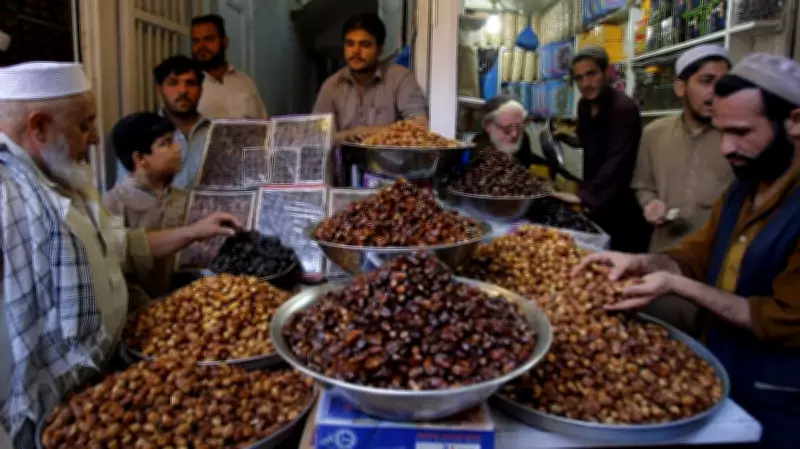
Beyond transportation issues, the conflict directly threatens agricultural production within Iran and neighboring countries. Iran is a substantial producer of dates, pistachios, saffron, and various fruits that are exported globally, particularly to markets in Asia and Africa. Damage to agricultural infrastructure, labor displacement, and restricted access to farming regions could significantly reduce output.
"The ripple effects of this conflict extend far beyond Iran's borders," explained one agricultural economist monitoring the situation. "When a major regional producer experiences disruption, it creates supply gaps that other countries cannot immediately fill. Developing nations with limited purchasing power will feel this most acutely."
Potential Consequences for Food Security
The developing world faces multiple potential impacts from this emerging crisis:
- Sharp increases in prices for fresh fruits, vegetables, and other perishable food items
- Reduced availability of nutritious foods in markets already struggling with accessibility
- Increased pressure on government food subsidy programs with limited budgets
- Potential for social unrest in countries where food represents a large portion of household spending
- Disruption of Ramadan food traditions and celebrations in Muslim-majority nations
International organizations are monitoring the situation closely, with some already preparing contingency plans to address potential food shortages in the most vulnerable regions. However, experts caution that preventive measures may be insufficient if the conflict intensifies or spreads to additional agricultural production zones.
Broader Economic Implications
The food price shock represents just one dimension of the potential economic fallout. Many developing nations have seen their foreign exchange reserves depleted in recent years, limiting their ability to absorb higher import costs. This could force difficult trade-offs between food imports and other essential commodities, potentially slowing economic development progress.
Agricultural analysts emphasize that the duration and geographic spread of the conflict will determine the ultimate impact on global food markets. A prolonged engagement could see price effects extending to staple grains and other commodities as shipping routes remain compromised and regional instability persists.