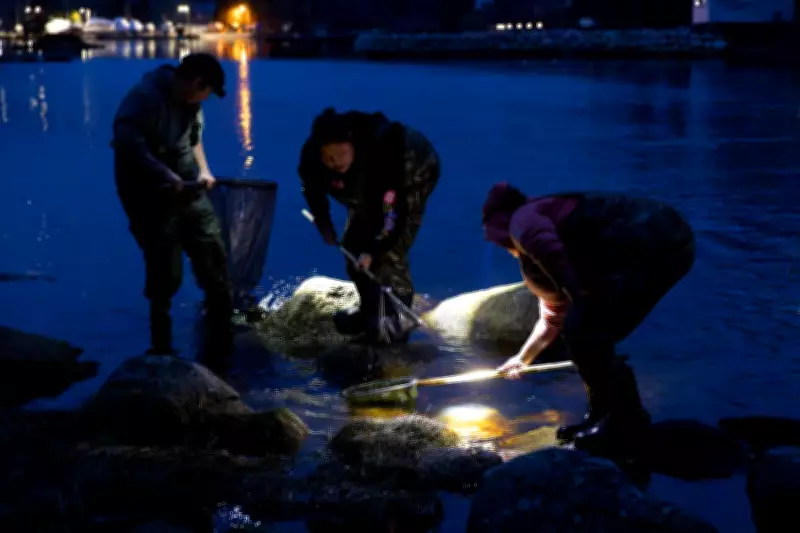
Federal Government Boosts Juvenile Eel Catch Quota in Maritime Regions
The Canadian government has announced an increase in the allowable catch limit for juvenile eels, commonly known as elvers, in the Maritime provinces. This decision, effective immediately, aims to address economic pressures in the fishing industry while balancing conservation efforts. However, the move has sparked renewed complaints from various stakeholders, including Indigenous communities and environmental groups, who argue that the changes may jeopardize long-term sustainability.
Background and Rationale for the Increase
Elvers are a valuable species in the aquaculture and export markets, particularly in Asia, where they are raised to maturity for food. The previous catch limits, set based on scientific assessments, were deemed restrictive by many commercial fishers facing financial hardships. Ottawa's adjustment comes after consultations with industry representatives and provincial authorities, citing updated data that suggests a temporary boost in elver populations in certain areas.
The new regulations allow for a higher volume of juvenile eels to be harvested, with specific quotas varying by region within the Maritimes. Officials emphasize that this is a measured response to support local economies without compromising ecological integrity. They point to ongoing monitoring programs that will track elver numbers and adjust policies as needed to prevent overfishing.

Indigenous Perspectives and Conservation Concerns
Indigenous fishers, who have historically relied on elver fishing for cultural and economic purposes, have expressed mixed reactions. While some welcome the increased access, others fear it could lead to resource depletion and conflict with non-Indigenous fishers. "We've seen the impacts of overharvesting before, and it's crucial that any changes prioritize sustainability for future generations," said a representative from a Nova Scotia Indigenous community.
Conservationists are also raising alarms, noting that juvenile eels play a critical role in marine ecosystems. They argue that even slight increases in catch limits could have cascading effects on biodiversity and water quality. Environmental organizations are calling for stricter enforcement of fishing regulations and more robust scientific research to guide policy decisions.
Economic Implications and Industry Response
The fishing industry in the Maritimes has been grappling with challenges such as fluctuating market prices and regulatory constraints. The raised catch limit is expected to provide a short-term economic boost, with potential benefits including:
- Increased revenue for commercial fishers
- Job creation in processing and export sectors
- Enhanced competitiveness in global markets
However, critics warn that without proper management, this could lead to a boom-and-bust cycle, harming both the environment and long-term economic stability. Industry leaders are urging for balanced approaches that consider all stakeholders' interests.
Looking Ahead: Policy and Monitoring
As the new catch limits take effect, Ottawa has committed to ongoing dialogue with Indigenous groups, environmental experts, and industry representatives. Future adjustments will depend on data collected from fishing activities and ecological studies. The government plans to implement enhanced tracking systems to ensure compliance and prevent illegal harvesting.
This development underscores the complex interplay between economic needs and environmental stewardship in Canada's fisheries management. While the increased catch limit offers relief to some, it highlights the need for continued vigilance and adaptive policies to safeguard marine resources for years to come.