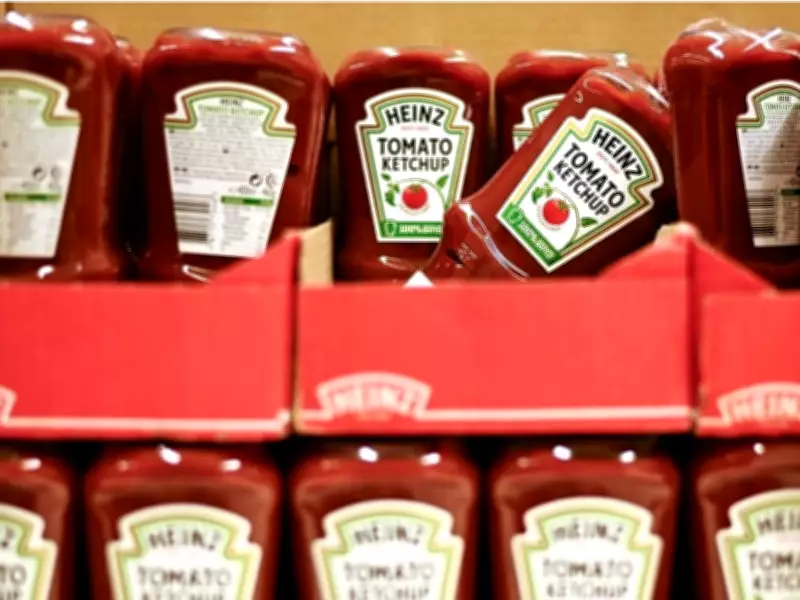
Kraft Heinz Doubles Down on Canadian Production with Major Montreal Investment
In a significant move for Canada's food industry, Kraft Heinz has announced a $250 million investment in its Montreal facility, one of the largest food manufacturing plants in North America. This commitment comes amid a challenging landscape for consumer packaged goods, marked by sluggish sales and strategic shifts within the company. Only months ago, Kraft Heinz was rumored to be considering a corporate split, but pressure from major shareholders, including Berkshire Hathaway with a 27% stake, helped shelve those plans. Instead, the company is focusing on strengthening its existing operations, despite shares declining over 25% in the past year.
Navigating Headwinds in the Food Sector
The food manufacturing sector faces numerous pressures, including the rise of private labels, the impact of weight-loss drugs on consumption patterns, and growing consumer skepticism toward ultra-processed foods. Kraft Heinz's reinvestment in Canada is particularly noteworthy given these challenges. The company has been proactive in responding to market dynamics, such as last year's political discussions around "Ketchup Wars," where former Prime Minister Justin Trudeau inadvertently highlighted the need for domestic production. Kraft Heinz quickly capitalized on this by increasing transparency, engaging with media, and embedding itself in cultural moments, like its presence at Rogers Centre during the Blue Jays' playoff run.
The Shift from "Made in Canada" to "Canadian-Owned"
Consumer preferences are evolving, with a growing emphasis on "Canadian-owned" products rather than just "Made in Canada." This distinction is crucial as it influences brand loyalty and market positioning. Kraft Heinz has benefited from the "Buy Canadian" movement, though exact sales impacts are unclear. Meanwhile, the global food manufacturing landscape is in flux, with rumors of consolidation involving companies like Unilever and McCormick. In Canada, other multinationals are also making strategic bets, such as Mars Canada investing $180 million in Ontario and Coca-Cola allocating $141 million to its Brampton facility.

Building a Resilient Food System
These investments are not merely symbolic; they enhance Canada's production capacity, strengthen supply chains, support farmers, and foster innovation for local markets. However, a critical issue remains: while multinationals scale up, many domestic processors struggle to compete globally due to size constraints. To build a truly resilient food system, Canada must create conditions that enable smaller companies to grow. This includes reducing regulatory burdens, addressing interprovincial trade barriers, and implementing an effective grocery code of conduct to ensure fair practices across the supply chain.
A Wake-Up Call for Policy Makers
Kraft Heinz's investment underscores Canada's attractiveness as a food production hub, but it also serves as a reminder that more must be done to empower Canadian firms. Resilience in the food sector depends not only on where products are made but on who controls the system. By fostering an environment that allows domestic companies to scale and lead, Canada can secure a more robust and self-sufficient food manufacturing industry for the future.