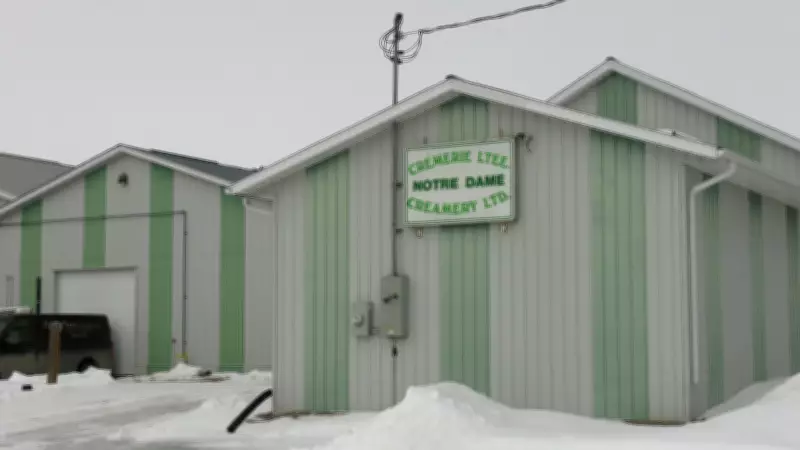
In the heart of Manitoba, a remarkable story of culinary heritage and scientific innovation is unfolding at the Notre Dame Creamery. This small-town creamery, one of the few remaining in the province, has been producing butter through traditional churning methods for an impressive 105 years. Now, a Lebanese Manitoban dairy scientist is stepping up to ensure this century-old legacy not only continues but thrives into the future.
Preserving a Century-Old Tradition
The Notre Dame Creamery stands as a testament to Manitoba's rich agricultural history. For over a century, it has maintained the artisanal practice of butter churning, a process that involves agitating cream until it separates into butterfat and buttermilk. This method, while labor-intensive, yields a product with a distinct flavor and texture that mass-produced alternatives often lack. The creamery's commitment to this tradition has made it a beloved local institution, symbolizing the resilience of small-scale food production in an era of industrialization.
Blending Heritage with Modern Science
The continuation of this legacy is now in the hands of a Lebanese dairy scientist who brings a unique perspective to the craft. With expertise in dairy science, this individual is applying modern scientific principles to enhance the traditional churning process. This includes optimizing cream quality, monitoring bacterial cultures for flavor development, and ensuring consistency in production without compromising the artisanal character of the butter. By merging heritage techniques with contemporary knowledge, the scientist aims to improve efficiency and product quality while honoring the creamery's historical roots.

The role of this scientist highlights the importance of cultural diversity in preserving local traditions. As a Lebanese immigrant in Manitoba, they represent the blending of global experiences with Canadian heritage, showcasing how immigrant contributions can enrich and sustain community practices. Their work not only supports the creamery's operations but also fosters a deeper appreciation for the intersection of food, science, and culture in rural settings.
Challenges and Opportunities in Small-Town Creameries
Operating a small-town creamery in today's economic landscape presents significant challenges. Competition from large-scale dairy corporations, fluctuating milk prices, and changing consumer preferences can threaten the viability of such establishments. However, the Notre Dame Creamery's focus on traditional butter churning offers a niche market appeal. Consumers increasingly seek out locally sourced, artisanal products with transparent production methods, and this creamery's century-old practice aligns perfectly with that trend.
The involvement of a dairy scientist adds a layer of innovation that could help the creamery adapt to these market dynamics. By implementing quality control measures and exploring new product variations, such as flavored or cultured butters, the creamery can expand its offerings while staying true to its heritage. This approach not only ensures economic sustainability but also educates the public about the value of traditional foodways in a modern context.
Impact on Manitoba's Agricultural Community
The continuation of butter churning at Notre Dame Creamery has broader implications for Manitoba's agricultural sector. It supports local dairy farmers by providing a dedicated outlet for their cream, fostering a circular economy within the region. Additionally, it serves as a model for other small-scale food producers, demonstrating how combining tradition with science can create a resilient business model. The creamery's story is a reminder of the importance of preserving agricultural diversity and the cultural narratives embedded in food production.
As the creamery moves forward under the guidance of its Lebanese dairy scientist, it stands as a beacon of heritage preservation and innovation. The 105-year legacy of butter churning is not just about making a product; it's about sustaining a piece of Manitoba's history and adapting it for future generations. This unique blend of old and new ensures that the art of butter churning will continue to be a cherished part of the province's culinary landscape for years to come.