Manitoba Farmers Grapple with Soaring Fuel and Energy Costs Before Seeding Season
As the 2026 seeding season approaches, farmers across Manitoba are facing mounting financial challenges due to sharply rising fuel and energy prices. These escalating costs are putting considerable strain on agricultural operations, forcing producers to reassess their budgets and strategies during a critical period for crop establishment.
Financial Pressures Mount Ahead of Planting
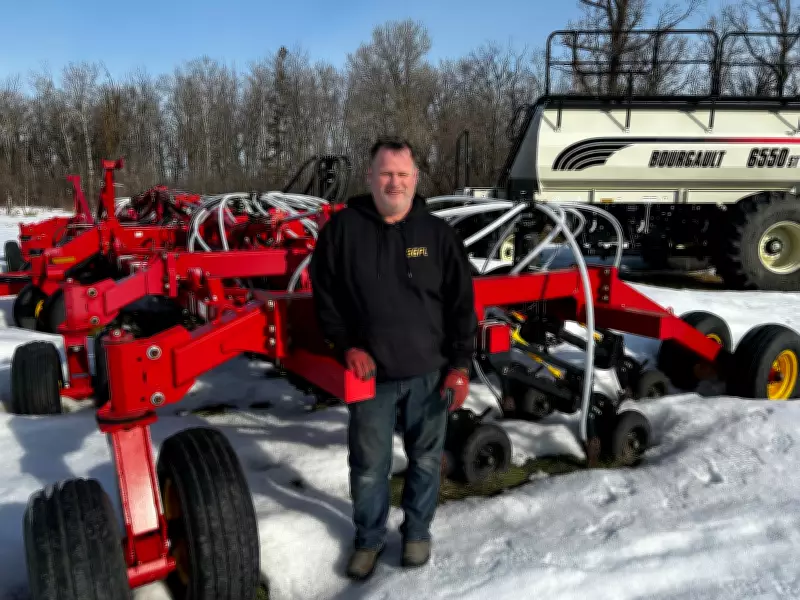
The timing of these price increases is particularly problematic, coinciding with the essential pre-seeding phase when farmers must prepare fields, operate machinery, and secure necessary inputs. Curtis McRae, a Manitoba farmer, highlighted the direct impact on daily operations, noting that every aspect of farming—from tilling soil to transporting equipment—requires substantial fuel consumption. "We're seeing costs climb across the board," McRae explained, "and it's forcing us to make difficult decisions about how we allocate our resources this season."
Broader Economic Context
This situation unfolds against a backdrop of broader economic trends affecting Canadian agriculture. While oil prices have recently dropped sharply, analysts note that Canadian drivers—and by extension, farmers—won't see immediate relief at the pumps due to market lag and distribution factors. Additionally, the agricultural sector continues to navigate:

- Volatile commodity markets
- Increasing input costs beyond fuel
- Climate-related uncertainties affecting growing seasons
- Supply chain disruptions that can delay essential supplies
These compounding factors create a challenging environment for producers already operating on thin margins.
Strategic Adjustments and Long-Term Concerns
Farmers are responding to these pressures through various adaptive measures. Some are exploring more fuel-efficient equipment, while others are adjusting planting schedules to optimize fuel usage. There's also increased interest in precision agriculture technologies that can reduce waste and improve efficiency across operations.
However, these solutions often require upfront investment that may be difficult to justify amid current financial constraints. The long-term sustainability of farming operations remains a concern, particularly for smaller family farms that may lack the capital reserves to absorb sustained price increases.
As Manitoba's agricultural community prepares for the seeding season, the industry watches closely for any policy developments or market shifts that might alleviate these pressures. The outcome will significantly influence not only this year's harvest but also the economic viability of farming in the region for seasons to come.