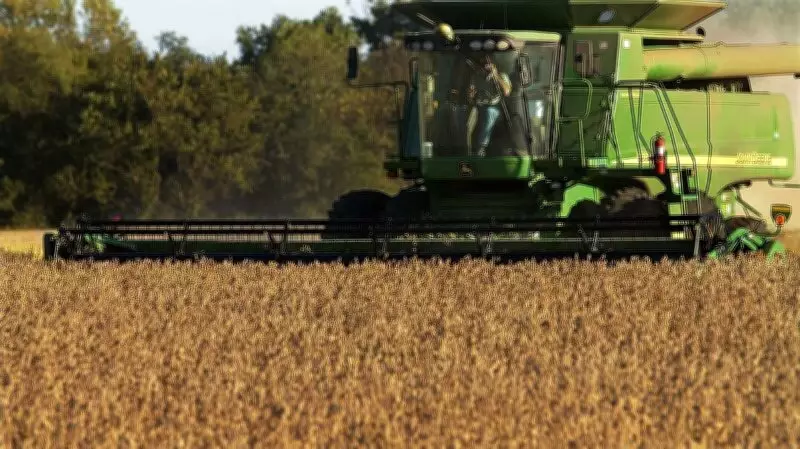
Farmers across the Midwest, particularly those cultivating soybeans, are confronting a severe and multifaceted financial crisis. Already grappling with persistent economic challenges, these agricultural producers now find themselves squeezed even tighter by the dual impacts of international trade tariffs and the escalating military conflict involving Iran.
Compounding Economic Pressures
The agricultural sector in states like Illinois, Iowa, and Indiana has been under considerable strain for several years. Factors such as fluctuating commodity prices, rising operational costs, and unpredictable weather patterns have created a precarious financial environment. However, the imposition of significant tariffs on agricultural exports has introduced a new layer of hardship, directly reducing market access and profitability for soybean growers.
The Tariff Impact on Trade
These tariffs, enacted by various trading partners in response to broader geopolitical tensions, have severely disrupted traditional export channels. Soybeans, a major cash crop for the region, have seen demand wane as international buyers seek alternative sources. This has led to surplus stocks and depressed prices at home, eroding the already thin profit margins that farmers rely upon for sustainability.

Geopolitical Tensions and Market Volatility
Simultaneously, the ongoing war in Iran has injected further instability into global markets. The conflict has caused significant volatility in oil prices, which in turn affects transportation and fertilizer costs—critical inputs for modern farming operations. Moreover, the geopolitical uncertainty has made financial planning exceedingly difficult, as markets react unpredictably to developments in the Middle East.
Broader Implications for Rural Communities
The financial squeeze on soybean farmers extends beyond individual operations, threatening the economic vitality of entire rural communities. Many small towns in the Midwest depend heavily on agricultural spending. As farm incomes decline, local businesses, from equipment dealers to retail stores, face reduced revenue, potentially leading to job losses and decreased public services.
Agricultural economists warn that without relief, this situation could accelerate the consolidation of farmland into larger corporate entities, fundamentally altering the social fabric of the region. Family-owned farms, a cornerstone of Midwestern identity, are at particular risk, with some operators considering exiting the industry altogether.
Seeking Solutions and Support
In response, farmer advocacy groups are urging both state and federal policymakers to implement supportive measures. These include:
- Negotiating the removal or reduction of detrimental tariffs.
- Expanding access to emergency financial assistance and low-interest loans.
- Investing in infrastructure to open new domestic and international markets.
- Providing risk management tools to help farmers hedge against geopolitical and market shocks.
The resilience of Midwest soybean farmers is being tested as never before. Their ability to navigate this complex web of financial pressure, trade barriers, and international conflict will not only determine their own futures but also significantly influence the broader agricultural economy and food security landscape.