New Brunswick Establishes Specialized Lobster Law Enforcement Unit
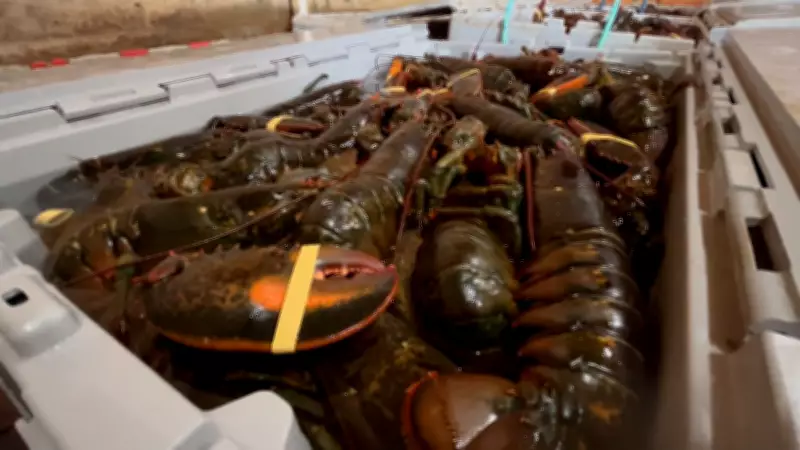
In a significant move to bolster fisheries management, New Brunswick is rolling out a new dedicated lobster law enforcement unit. This initiative aims to tackle the pervasive issue of unreported lobster landings in Atlantic Canadian waters, a problem that has long plagued the region's fishing industry.
Addressing a Critical Issue in Atlantic Fisheries
According to data from the Nova Scotia government, approximately 30 per cent of annual lobster landings in Atlantic Canada go unreported. This substantial gap in reporting undermines conservation efforts, economic planning, and the sustainability of lobster stocks. The new enforcement unit in New Brunswick represents a proactive step to ensure compliance with fishing regulations and improve data accuracy.
Scope and Objectives of the Enforcement Initiative
The unit will focus on monitoring and enforcing lobster fishing laws across New Brunswick's coastal regions. Key objectives include:

- Enhancing surveillance of lobster fishing activities to detect and deter illegal practices.
- Improving reporting compliance among fishers to ensure accurate data on catch volumes.
- Supporting sustainable fisheries management by providing reliable information for stock assessments.
- Collaborating with other Atlantic provinces to address cross-border enforcement challenges.
This enforcement effort is part of broader regional initiatives to protect marine resources and maintain the economic viability of the lobster fishery, which is a cornerstone of many coastal communities in Atlantic Canada.
Implications for the Fishing Industry and Conservation
The establishment of this unit is expected to have far-reaching effects. For the fishing industry, it promises a more level playing field where compliant fishers are not disadvantaged by those who evade reporting requirements. From a conservation perspective, accurate data on lobster landings is crucial for setting sustainable catch limits and preventing overfishing.
Officials emphasize that the unit will work closely with fishers to promote understanding of regulations and foster a culture of compliance, rather than relying solely on punitive measures. This approach aims to balance enforcement with education, ensuring the long-term health of lobster populations and the communities that depend on them.