Ohio Hog Farm Complex Fire Results in Massive Livestock Loss
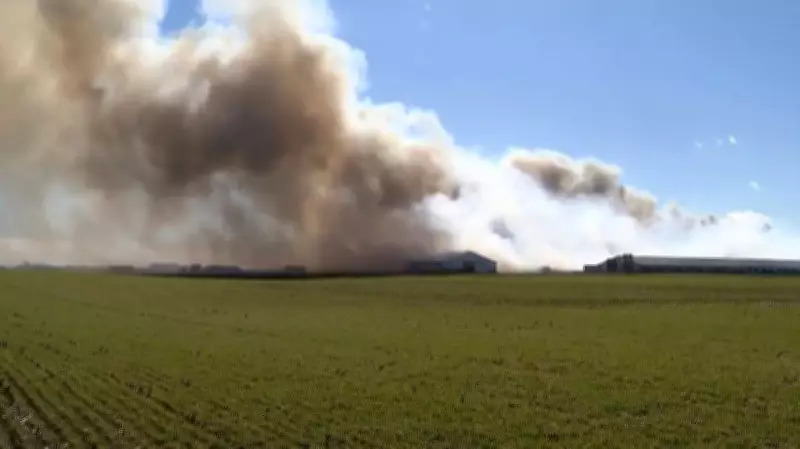
A catastrophic fire erupted at a significant hog farm complex located in Madison County, Ohio, leading to the tragic deaths of an estimated 6,000 hogs. The incident, which occurred on Wednesday, February 25, 2026, generated immense plumes of smoke that were visible across a wide area, stretching for miles and drawing immediate attention from local residents and emergency responders.
Details of the Agricultural Disaster
The fire broke out at the farm complex, though the exact cause remains under investigation by authorities. Footage captured by local news station WSYX and made available to the Associated Press shows dense, dark smoke rising dramatically from the site, highlighting the scale of the blaze. Emergency services rushed to the scene to combat the flames, but the rapid spread and intensity of the fire made it challenging to save the animals housed within the complex.
This event represents a substantial loss for the agricultural sector in Ohio, a state known for its robust farming industry. The death of approximately 6,000 hogs not only impacts the farm's operations but also raises concerns about animal welfare and safety protocols in large-scale livestock facilities. Such incidents can have economic repercussions, affecting local supply chains and potentially leading to increased scrutiny of farm safety standards.

Community and Environmental Impact
The smoke from the fire, visible for miles around, prompted health advisories and concerns about air quality in the surrounding communities. Residents reported seeing the smoke from a distance, with some expressing alarm over the environmental and health implications. Authorities are monitoring the situation to assess any potential risks from airborne particulates or other pollutants released during the fire.
In response to the disaster, local officials and agricultural experts are likely to review fire safety measures and emergency response plans for similar facilities. This incident underscores the vulnerabilities in industrial farming operations and the need for enhanced precautions to prevent such tragedies in the future. The farm complex, which plays a key role in the region's agriculture, will face significant recovery efforts, including cleanup and potential rebuilding.
As investigations continue, the focus remains on understanding the root causes of the fire and implementing strategies to mitigate risks. The loss of livestock is a stark reminder of the challenges faced by the farming community, balancing productivity with safety and environmental stewardship.