Record Potato Harvests Trigger Crisis Across European Farmlands
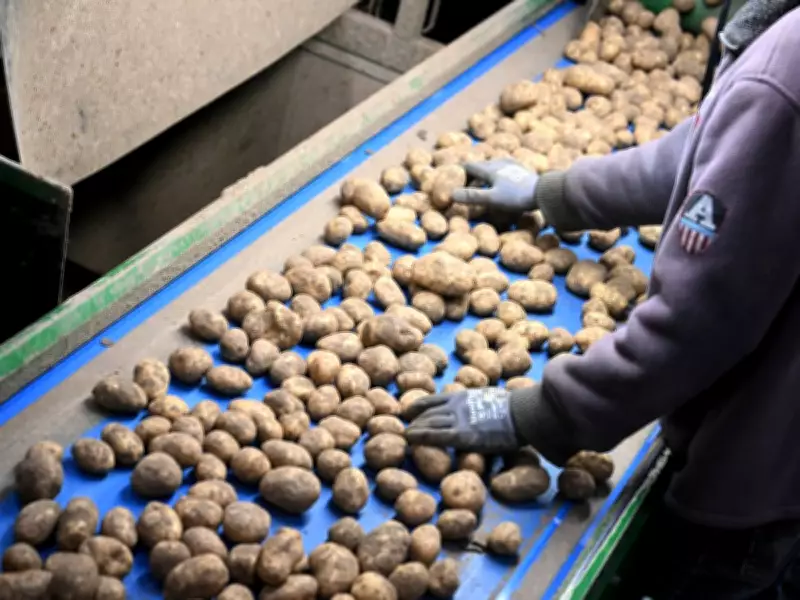
European farmers are facing an unprecedented agricultural paradox as bumper potato harvests have transformed what should be a celebration of abundance into a severe economic crisis. Across the continent, farmers are protesting amidst one of the most plentiful potato harvests in recent memory, with the unintended consequences of international trade policies and increased global competition driving prices to dangerously low levels.
Visual Protests Highlight Farmer Desperation
More than twenty tonnes of potatoes were dramatically dumped in front of the National Assembly in Paris last month, heaped into towering piles and peppered with French and trade union flags in a vivid display of agricultural frustration. "It costs us less to give these potatoes to Parisians than to store them ourselves," explained Denis Lavenant, a farmer from the Yvelines region, highlighting the economic absurdity of the situation.
Similar scenes unfolded across Europe, with Belgian farmers distributing potatoes to passers-by on Flanders highways, accompanied by leaflets denouncing crashing prices and what they perceive as unfavorable European Union free trade agreements. These dramatic actions underscore the severity of the crisis facing potato producers throughout the continent.

Unprecedented Production Volumes
The North-Western European Potato Growers (NEPG) network, representing the four leading European producers—Germany, France, Belgium, and the Netherlands—has been warning about overproduction for months. These countries collectively account for approximately two-thirds of European potato production, and their 2025 harvest volumes are approaching a staggering 30 million tonnes, representing a 10 percent increase year-on-year.
"What's unusual about this season is that the harvest is abundant in all the major producing countries," noted industry experts, adding that Germany, the leading European producer, is experiencing its "best harvest in 25 years." This simultaneous abundance across multiple nations has created a perfect storm of oversupply that the market cannot currently absorb.
Multiple Factors Driving Demand Collapse
While supply has surged, demand has weakened significantly across multiple fronts. The NEPG identifies several key factors contributing to this demand collapse: Weaker demand for frozen french fries following tariffs imposed by the United States under former President Donald Trump; a strong euro against the dollar that has hurt European exports overall; and dramatically increased production from foreign competitors including China, India, Egypt, and Turkey.
The growers' network reports that in just the past two years, China and India—the world's two leading potato producers—have "increased their frozen French fry exports to neighbouring countries tenfold," while European Union exports have declined correspondingly. This shift in global trade patterns has left European farmers particularly vulnerable to market fluctuations.
Immediate Consequences for Farmers
The sector is facing a "real challenge this year," according to Francois-Xavier Broutin, director of economic affairs at CNIPT, which represents the French potato industry. The fundamental problem, he explained, is "the imbalance between supply and demand" that has created a buyer's market where prices have plummeted to unsustainable levels.
At the end of last year, the NEPG network posed a blunt question to European farmers: Are they prepared to "produce while losing money?" This stark inquiry highlights the immediate financial pressures facing agricultural producers who must contend with production costs that now exceed market prices for their crops.
Long-Term Outlook and Industry Response
Despite the current crisis, some industry analysts maintain optimism about the long-term prospects for European potato farming. Broutin suggests the crisis may be temporary, noting that "global demand continues to rise," which he believes will eventually catch up to increasing potato volumes. This perspective suggests the European potato sector may not be fundamentally threatened in the long-term, though immediate consequences remain severe.

Farmers are being urged to reconsider their production strategies and market approaches as they navigate this challenging period. The current situation serves as a stark reminder of the volatility inherent in agricultural markets and the complex interplay between local production, global trade policies, and international competition that defines modern farming economics.