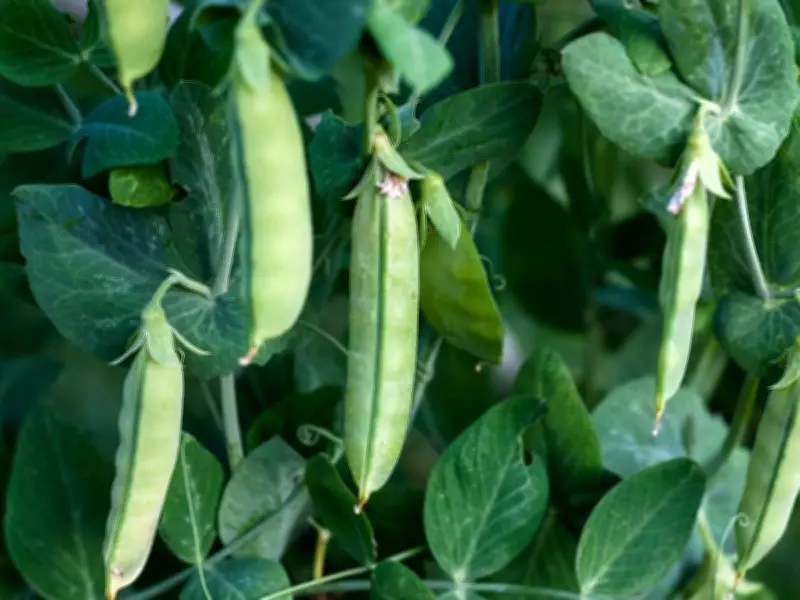
Unlocking the Secrets to Successful Shelling Pea Germination
For gardeners aspiring to cultivate abundant shelling pea crops, understanding the critical factors that influence seed germination is essential. Temperature, moisture, and planting depth play pivotal roles in determining whether your efforts will yield a hearty harvest or fall short. This guide delves into expert recommendations to help you optimize these conditions and achieve impressive results in your garden.
The Role of Temperature in Pea Seed Sprouting
Soil temperature is a fundamental element in the germination process of shelling peas. While pea seeds can begin to sprout in soil as cool as 5 degrees Celsius, ideal conditions range between 10 and 15 degrees Celsius. At these warmer temperatures, germination typically occurs more rapidly and with a higher success rate. Gardeners with light, sandy soils often benefit from earlier plantings, as such soils drain excess moisture efficiently and warm up quickly in the spring. Conversely, heavy, clay-based soils that retain water and stay cold can delay germination, increasing the risk of seed rot before sprouts emerge.
Moisture Management for Optimal Germination
Maintaining proper soil moisture is crucial for shelling pea seeds to germinate effectively. Seeds require consistent moisture to sprout, but overly wet conditions, especially in cold soils, can be detrimental. It is advisable to plant seeds in soil that is evenly moist, not dry or waterlogged. Throughout the growing season, ensure the soil remains adequately hydrated to support vine development and pea production. Balancing moisture levels helps prevent issues like seed rot and promotes healthy growth from germination to harvest.

Planting Depth and Seed Viability Considerations
Planting depth significantly impacts germination success. For shelling peas, seeds should be sown at a depth of three to five centimeters. Use the deeper end of this range if weather conditions are warming and the soil surface tends to dry out quickly. Additionally, seed viability is a key factor; pea seeds generally remain viable for about three years when stored in cool, dark, and dry environments. Always mark seed packets with the purchase year to track their freshness and ensure optimal germination rates.
Practical Tips for Gardeners
To maximize your shelling pea crop, start by preparing a well-drained seed bed and implementing protective measures, such as fencing against pests like rabbits. Monitor soil conditions closely, adjusting planting times based on your soil type and local climate. By focusing on these germination factors, you can reduce gaps in sprout lines and enhance overall yield. Remember, a few minor gaps in germination are normal and acceptable, as even experienced gardeners often see slight variations in sprout emergence.
With attention to these details, you can transform your gardening ambitions into a reality, enjoying hefty harvests of shelling peas that thrive from seed to table.