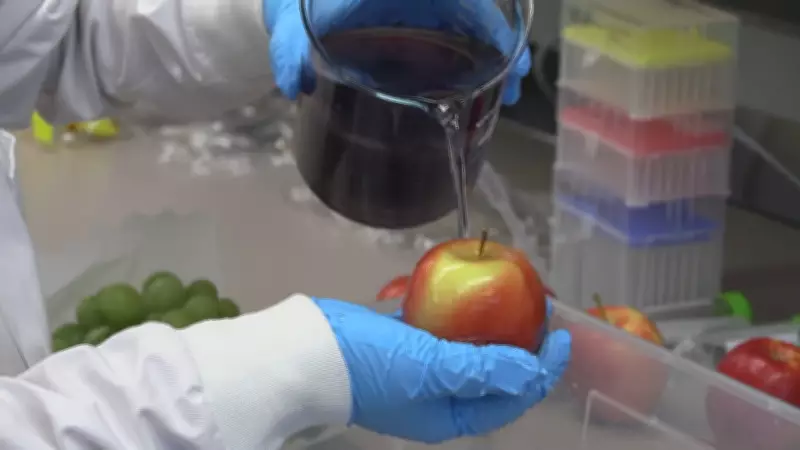
UBC Scientists Pioneer Fruit Wash to Enhance Produce Longevity and Safety
Researchers at the University of British Columbia have unveiled a groundbreaking fruit wash designed to tackle two major concerns in the food industry: pesticide contamination and rapid spoilage. This innovative solution, developed by a team led by an assistant professor, promises to revolutionize how consumers and retailers handle fresh fruits and vegetables.
How the Fruit Wash Works
The fruit wash employs a unique formulation that effectively breaks down and removes pesticide residues from the surface of produce. Unlike conventional rinsing methods, which may leave behind harmful chemicals, this wash ensures a thorough cleansing process. Additionally, it contains natural compounds that inhibit microbial growth and oxidation, key factors that cause fruits and vegetables to deteriorate quickly.
Key benefits include:

- Extended shelf life: Produce treated with the wash can remain fresh for up to 50% longer, reducing food waste significantly.
- Enhanced safety: By eliminating up to 99% of pesticide residues, it offers a safer option for consumers concerned about chemical exposure.
- Eco-friendly composition: The wash is made from biodegradable ingredients, minimizing environmental impact compared to synthetic alternatives.
Implications for Consumers and the Food Industry
This development comes at a critical time, as global food waste and pesticide use remain pressing issues. The fruit wash could be easily integrated into household routines or commercial processing lines, providing a simple yet effective tool to improve food quality. Moreover, it aligns with growing consumer demand for healthier, more sustainable food options.
The research team is now exploring partnerships with agricultural producers and retailers to bring this technology to market. If widely adopted, it could lead to substantial reductions in food spoilage and associated economic losses, while promoting better public health outcomes through reduced pesticide ingestion.