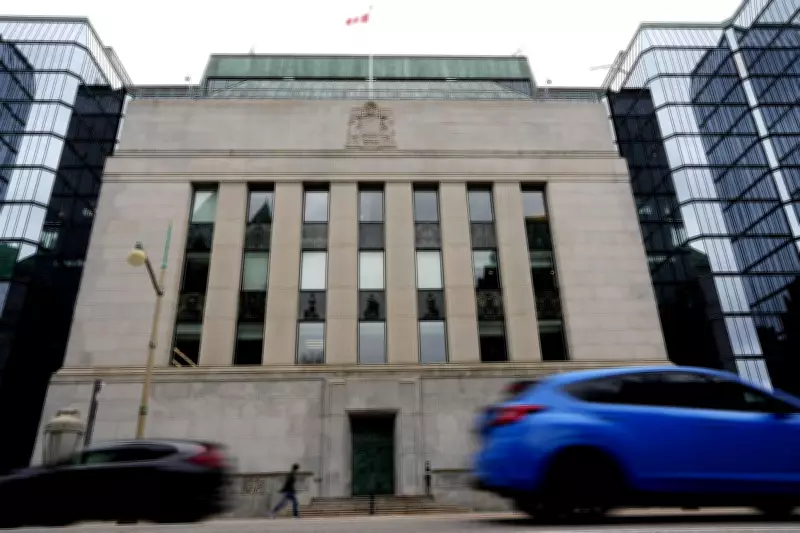
The Bank of Canada has underscored a critical stance in its monetary policy framework, asserting that raising interest rates may be required at times when the economy is experiencing weakness. This perspective highlights the central bank's commitment to addressing inflationary pressures, even if such measures could potentially exacerbate short-term economic challenges.
Navigating Economic Weakness with Rate Adjustments
In a recent announcement, officials from the Bank of Canada explained that the decision to implement rate hikes is not solely dependent on economic strength. Instead, it often involves a delicate balance between curbing inflation and supporting growth. This approach reflects a broader strategy to maintain price stability over the long term, which can involve tough choices during periods of sluggish economic activity.
The Rationale Behind Counterintuitive Measures
Economic analysts point out that this policy stance is driven by the need to prevent inflation from becoming entrenched. When prices rise persistently, it can erode purchasing power and destabilize financial markets. By occasionally raising rates amid economic weakness, the Bank of Canada aims to signal its dedication to controlling inflation, which can help anchor expectations and foster a more stable economic environment.

This strategy, however, is not without risks. Higher interest rates can increase borrowing costs for consumers and businesses, potentially slowing down investment and spending. Yet, the central bank argues that the long-term benefits of price stability often outweigh these short-term drawbacks, making such interventions necessary in certain scenarios.
Implications for Businesses and Consumers
The Bank of Canada's position has significant implications for various sectors of the economy. For instance:
- Businesses may face higher financing costs, which could impact expansion plans and operational budgets.
- Consumers might see increased mortgage and loan rates, affecting household budgets and spending habits.
- Investors could experience volatility in financial markets as they adjust to changing monetary policy signals.
Despite these challenges, the central bank emphasizes that its actions are guided by comprehensive data analysis and a forward-looking assessment of economic conditions. This ensures that rate decisions are made with careful consideration of both current weaknesses and future inflationary trends.
Looking Ahead: Policy Flexibility and Economic Resilience
As the global economic landscape continues to evolve, the Bank of Canada remains poised to adapt its strategies. The willingness to implement rate hikes during periods of weakness demonstrates a proactive approach to safeguarding the economy against inflationary shocks. This flexibility is crucial for maintaining resilience in the face of uncertainties, such as geopolitical tensions or supply chain disruptions.
In conclusion, the Bank of Canada's stance serves as a reminder that monetary policy is a complex tool, often requiring counterintuitive measures to achieve broader economic stability. By prioritizing inflation control, even in weak economic conditions, the central bank aims to foster a sustainable path for growth and prosperity in the years to come.