As global oil prices surge due to escalating tensions in the Middle East, economic experts are analyzing the potential impacts on Canada's economy. Douglas Porter, chief economist at BMO Financial Group, recently discussed with Financial Post's Larysa Harapyn how this energy crisis could shape monetary policy decisions in Ottawa.
Oil Price Spike Creates Economic Crosscurrents
The current oil price increase presents a complex challenge for Canadian policymakers. While higher energy prices typically benefit Canada as a major oil exporter, they also create significant inflationary pressures throughout the economy. Porter notes that this dual effect creates what economists call "stagflationary" conditions—simultaneously slowing economic growth while increasing inflation.
Growth Concerns Amid Inflationary Pressures
"The energy crisis unfolding in the Middle East could have substantial consequences for Canada's economic trajectory," Porter explained. "Higher oil prices will likely slow overall economic growth while adding to inflationary pressures that have been gradually moderating."

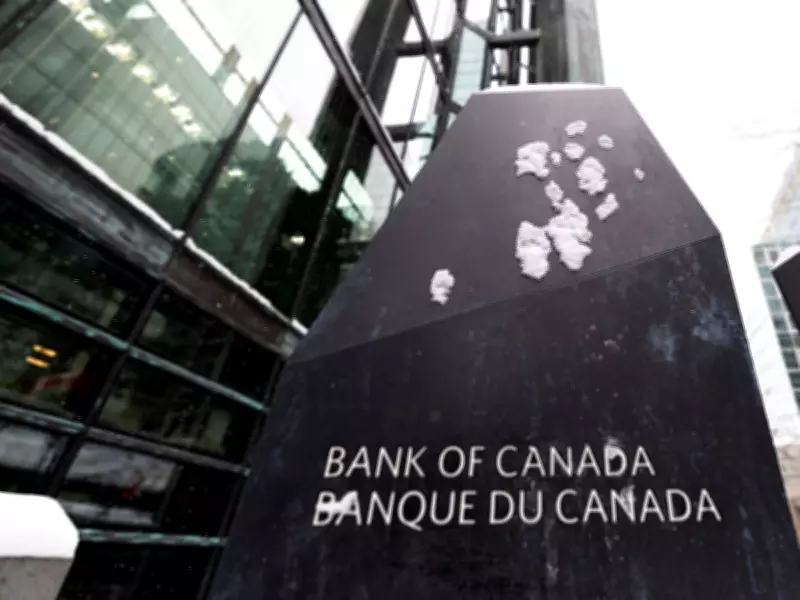
This creates a delicate balancing act for the Bank of Canada. On one hand, the central bank must consider how elevated energy costs filter through to consumer prices for gasoline, heating, and transportation. On the other hand, they must weigh how reduced consumer spending power might dampen economic activity.
Why the Bank of Canada Will Likely Stand Pat
Despite these conflicting signals, Porter believes the Bank of Canada is likely to maintain its current interest rate stance in the near term. Several factors support this position:
- Previous Rate Hikes Still Working Through Economy: The substantial interest rate increases implemented over the past few years continue to affect borrowing costs and consumer behavior.
- Core Inflation Trends: While headline inflation may see temporary increases due to energy prices, core inflation measures that exclude volatile components like energy have shown gradual improvement.
- Economic Growth Moderation: The Canadian economy has already been slowing, reducing the urgency for additional rate increases.
- Global Uncertainty: With geopolitical tensions creating unpredictable market conditions, central bankers typically prefer stability over policy changes.
The Delicate Balance of Monetary Policy
Porter emphasized that central bankers must carefully distinguish between temporary price shocks and persistent inflationary trends. "The Bank of Canada has consistently indicated they look through temporary energy price fluctuations when setting policy," he noted. "What matters more is whether these price increases become embedded in broader inflation expectations."
The economist suggested that unless oil prices remain elevated for an extended period and begin affecting wage demands and other price-setting behavior, the central bank will probably maintain its current cautious approach. This means keeping interest rates at their present levels while monitoring how the situation develops.
Longer-Term Implications for Canadian Economy
Looking beyond immediate monetary policy decisions, Porter highlighted several longer-term considerations:
- Energy Sector Benefits: Higher oil prices could boost investment and employment in Canada's energy sector, particularly in Alberta and other producing regions.
- Consumer Spending Constraints: Households facing higher energy costs may reduce spending in other areas, potentially slowing retail and service sectors.
- Export Competitiveness: A stronger Canadian dollar resulting from higher commodity prices could make other exports less competitive internationally.
- Government Revenue Implications: Provincial and federal governments may see increased royalty and tax revenues from the energy sector.
As the situation continues to evolve, economists and policymakers will be watching closely for signs of how these competing forces balance out. For now, the consensus among many analysts suggests the Bank of Canada will maintain its current interest rate stance, carefully monitoring economic indicators before making any policy adjustments.