Major Canadian Pension Fund Suggests Shift Away from U.S. Dollar Amid Policy Concerns
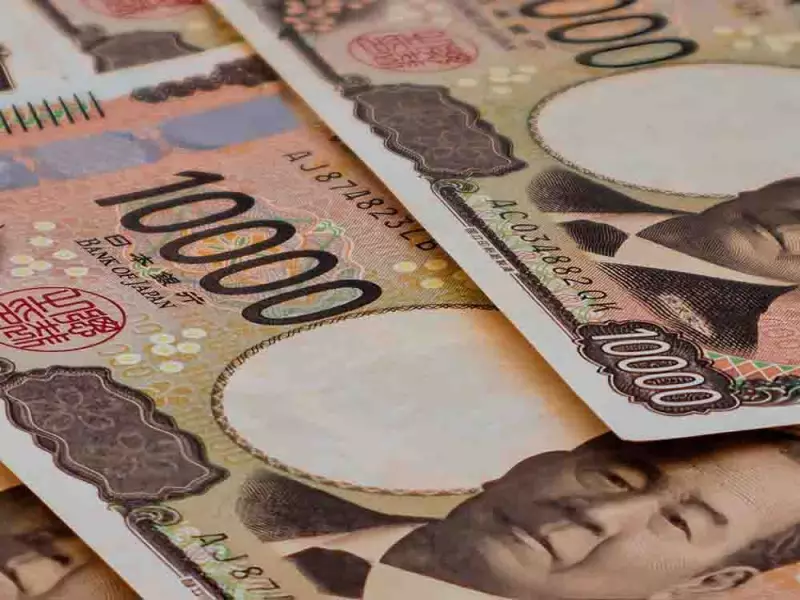
One of Canada's largest institutional investors is advising clients to consider diversifying their portfolios away from the U.S. dollar, recommending the Swiss franc, Japanese yen, and gold as potential alternatives. The Investment Management Corp. of Ontario (IMCO) issued this guidance in its annual World View report, citing concerns about President Donald Trump's policies and their impact on the greenback's stability.
U.S. Dollar Loses Safe Haven Status
According to IMCO's analysis, the U.S. dollar experienced significant declines following Trump's tariff announcements on April 2, 2026, even as Treasury yields rose. This unusual movement suggests that investors may no longer view the American currency as a reliable safe haven asset. The pension manager's report indicates that recent performance reinforces concerns that the United States might no longer represent a stable partner for international investors.
The acceleration in U.S. efforts to address global imbalances, combined with Trump's unpredictable and unconventional approach, could weigh on the USD in the years ahead while potentially lifting inflation and bond yields, stated IMCO in their comprehensive assessment. However, a spokesperson clarified that the document doesn't necessarily indicate what specific actions the fund is taking regarding its currency exposures.

Global Investors Seeking Alternatives
The U.S. dollar registered its steepest one-day drop since last year's tariff implementation after Trump commented on Tuesday that he didn't believe the currency had weakened excessively. This statement fueled speculation that the greenback might be approaching a longer-term decline, prompting money managers worldwide to seek shelter in alternative assets.
European pension plans have already begun adjusting their strategies in response to these concerns. Institutions including AkademikerPension and Alecta have announced reductions in their U.S. Treasury holdings, citing worries that Trump's policies have created credit risks too substantial to overlook.
Beyond Currencies: Physical Assets and Infrastructure
IMCO's recommendations extend beyond currency diversification. The pension fund, which manages approximately $86 billion on behalf of public-sector workers, government bodies, and educational institutions, suggests investors consider physical assets tied to strategically vital sectors.
Given that you 'need stuff to make stuff,' opportunities could arise in commodities, materials, energy and other natural resources as governments look to build their country's productive capacity while securing supply chains, the pension explained in its detailed report.
Specifically, IMCO highlights artificial intelligence and energy-related infrastructure as promising areas for investment. This aligns with broader trends in asset allocation toward tangible assets that support critical economic functions.
Canadian Context and Domestic Opportunities
Canadian pension funds represent some of the world's largest holders of U.S. assets, making them particularly vulnerable to unfavorable exchange rate movements between the Canadian dollar and the U.S. dollar. More than half of IMCO's assets were invested in the United States as of December 31, 2024, underscoring the significance of currency risk management.
The pension's latest report suggests that investors can shift their geographic exposures away from the United States to better manage risk. Canada's responses to U.S. trade pressures, including a renewed focus on major infrastructure projects, could broaden the range of investment opportunities within the country itself.
Major Canadian funds already maintain substantial investments in global infrastructure, including ports, renewable power facilities, airports, and energy infrastructure. Prime Minister Mark Carney's government has launched initiatives to increase Canadian exports to non-U.S. markets while promoting significant new projects such as port expansions. These developments may encourage the nation's pension funds to increase their domestic investments, creating a virtuous cycle of economic development and financial stability.

IMCO's comprehensive analysis provides valuable insights for institutional investors navigating an increasingly complex global financial landscape, where traditional assumptions about currency stability and geopolitical relationships are being fundamentally reconsidered.