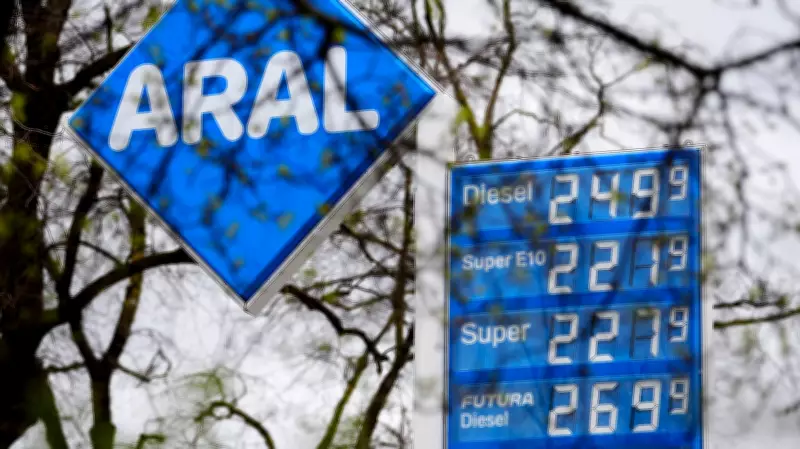
In a significant move to address economic pressures, the finance ministers of Spain and four other European nations are advocating for the European Union to implement a bloc-wide windfall tax on energy companies. This call comes amid concerns that soaring oil and gas prices, driven by the ongoing war in Iran, could exacerbate inflation and place undue strain on households across the continent.
Joint Letter Highlights Market Distortions
Spanish Economy Minister Carlos Cuerpo announced on Saturday that his counterparts from Germany, Italy, Portugal, and Austria have signed a formal letter to the European Commission. The document, dated Friday and shared publicly by Cuerpo in an online post, points to "market distortions" caused by the recent price spike. It emphasizes that the conflict in the Middle East has led to rising oil prices, imposing a significant burden on both the European economy and its citizens.
The letter stresses the importance of ensuring that this burden is distributed fairly, echoing past measures taken during times of crisis. Europe's heavy reliance on imported oil and gas makes it particularly vulnerable to external shocks, as seen in 2022 when Russia's full-scale invasion of Ukraine triggered turmoil in energy markets, pushing inflation into double digits in many countries.

Proposal for a Swift EU-Wide Contribution
In response to the current situation, the ministers are urging the European Commission to swiftly develop a similar EU-wide contribution instrument, akin to the "solidarity contribution" imposed in 2022, which included caps on excess energy profits. The letter argues that such a measure would send a clear message that those profiting from the consequences of the war must contribute to easing the public's financial strain.
Recent data underscores the urgency of this proposal. Driven largely by higher oil prices, the annual inflation rate in the eurozone rose to 2.5% in March, up from 1.9% in February. This increase highlights the direct impact of geopolitical tensions on economic stability.
Iran's Actions Threaten Fuel Markets
The situation is further complicated by Iran's blockade of most tanker traffic through the Strait of Hormuz, a critical chokepoint for approximately 20% of global oil and gas supplies. This move threatens to stress fuel markets for months, with European Union Energy Commissioner Dan Jorgensen warning that disruptions from the closure mean fuel prices are unlikely to return to normal in the foreseeable future.
As European leaders grapple with these challenges, the push for a windfall tax represents a proactive step to mitigate economic fallout and protect consumers from escalating costs.