Federal Reserve Maintains Current Interest Rates Amid Economic Optimism
The United States Federal Reserve has opted to keep interest rates unchanged, maintaining the benchmark federal funds rate within a range of 3.5% to 3.75%. This decision, reached during Wednesday's Federal Open Market Committee (FOMC) meeting, reflects a cautious approach by policymakers as they observe positive developments in the American economy.
Voting Results and Dissenting Opinions
The committee voted 10-2 in favor of holding rates steady, with Governors Christopher Waller and Stephen Miran dissenting. Both officials advocated for a quarter-point reduction, indicating some internal debate about the appropriate monetary policy direction. This split vote highlights the nuanced perspectives within the Fed regarding economic conditions.
Improved Economic Assessment
In their post-meeting statement, Federal Reserve officials upgraded their assessment of the labor market, noting that "job gains have remained low, and the unemployment rate has shown some signs of stabilization." This represents a significant shift from previous statements that had emphasized increased downside risks to employment. The improved outlook suggests growing confidence in the economy's resilience.

Policymakers also revised their description of economic growth from "moderate pace" to "solid," reflecting stronger-than-expected performance. Additionally, they removed language about inflation having moved up, suggesting some easing of price pressure concerns.
Market Reactions and Future Expectations
Following the announcement, financial markets responded with the S&P 500 and Treasury yields remaining lower while the U.S. dollar strengthened. Most investors had anticipated this decision, particularly after the Fed lowered rates at three consecutive meetings in late 2025. Based on projections issued in December, many officials still foresee potential rate cuts later this year, but the timing remains uncertain.
The improved labor market assessment is likely to delay expectations for near-term rate reductions, despite political pressure from the administration of U.S. President Donald Trump. Prior to the meeting, market participants had already pushed back expectations for another cut until at least June.
Political Context and Press Conference
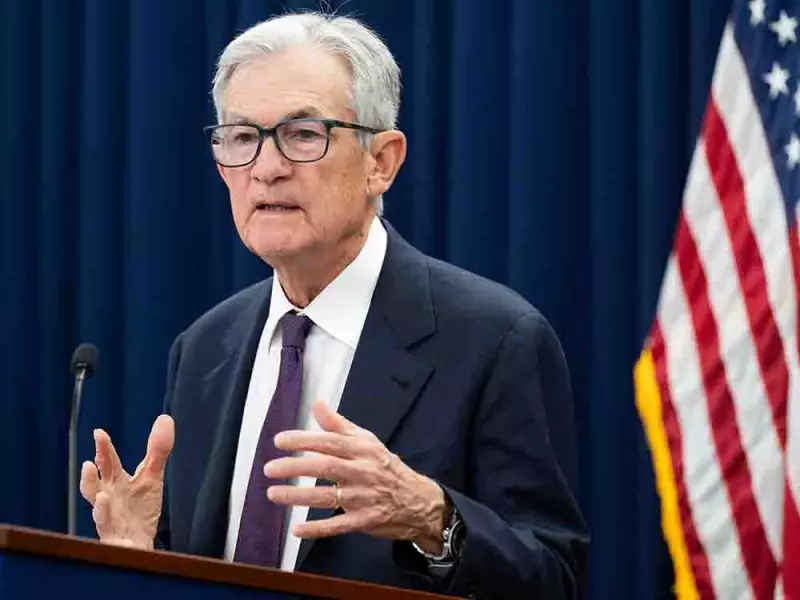
Fed Chair Jerome Powell is scheduled to hold a press conference where he will likely address questions about the central bank's future policy direction. Investors will be watching closely for guidance on how long the Fed might maintain current rates and what economic conditions could prompt renewed rate cuts.
The press conference occurs against an extraordinary political backdrop, following revelations that the U.S. Department of Justice has opened a criminal investigation into Powell. The Fed chief has responded forcefully to the investigation, accusing the administration of using it as intimidation. This development comes after Powell attended a Supreme Court hearing regarding Trump's attempt to remove Fed Governor Lisa Cook, a case that raised concerns about central bank independence.
As the Federal Reserve navigates both economic uncertainties and political pressures, its commitment to data-driven decision-making remains central to its approach. The current pause in rate adjustments reflects a careful balancing act between supporting economic growth and maintaining price stability in an evolving landscape.