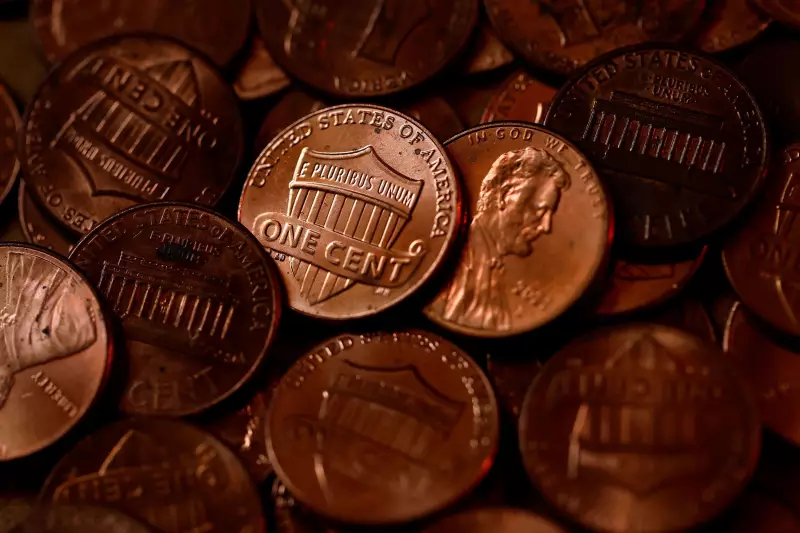
The United States Mint in Philadelphia will produce the final one-cent coin today, November 12, 2025, bringing to a close more than two centuries of penny production in American history.
The End of an Economic Era
The decision to cease penny production comes after years of debate about the coin's economic viability. With production costs consistently exceeding the penny's face value and changing consumer spending habits, the U.S. government determined that continuing to mint the coins no longer made financial sense.
The historic final minting ceremony takes place at the Philadelphia Mint, which has been producing coins since 1792. This facility, along with other U.S. Mint locations, has produced billions of pennies over the decades, with the coin becoming an iconic part of American commerce and culture.

Economic Factors Behind the Decision
Multiple economic considerations contributed to the penny's demise. The cost of producing a single penny has exceeded one cent since 2006, primarily due to rising metal prices and manufacturing expenses. This created a situation where the government was effectively losing money with every coin produced.
Additionally, the decreasing purchasing power of the one-cent coin made it increasingly irrelevant in daily transactions. Many retailers had already begun rounding cash transactions to the nearest five cents, and digital payments further reduced the need for physical pennies in circulation.
What Happens to Existing Pennies
Existing pennies will remain legal tender and continue to circulate, but no new coins will enter the monetary system. The U.S. Mint will continue to produce other denominations, including nickels, dimes, quarters, and dollar coins.
Collectors and numismatists are expected to show significant interest in the final production run, with some experts predicting that uncirculated examples from today's minting could become valuable collector's items in the future.
The phase-out of the penny follows similar moves by other countries, including Canada, which stopped producing its one-cent coin in 2012. The transition in those countries has generally been smooth, with minimal impact on consumers and businesses.