President Donald Trump's unexpected proposal to impose a federal cap on credit card interest rates has met immediate resistance from his own party's leadership on Capitol Hill, revealing a deep rift over populist economic strategy ahead of the 2026 midterm elections.
GOP Leadership Pushes Back on Rate Cap Idea
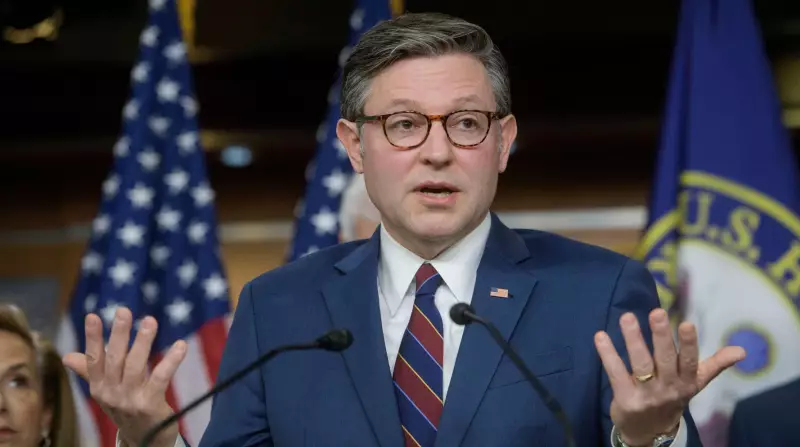
House Speaker Mike Johnson, a Republican from Louisiana who is typically a staunch defender of the president, publicly questioned the idea this week. He suggested Trump was merely "thinking out loud" when he proposed limiting rates to 10% in posts on his Truth Social platform. Johnson warned that such a cap could have severe unintended consequences for consumers.
"You've got to be very careful if you go forward," Johnson stated on Tuesday. "If you do that, then the credit card companies... would just stop lending money and maybe they cap what people are able to borrow at a very low amount." His comments reflect widespread skepticism among congressional Republicans, who rely on financial industry support and traditionally favour free-market banking policies.

A Surprising Alliance and Legislative Reality
In a surprising turn, Trump reached out to progressive Senator Elizabeth Warren, a Democrat from Massachusetts, on Monday to discuss the concept of capping rates. Warren has long advocated for such legislation. Following their call, Warren told HuffPost the president was "perfectly pleasant" but expressed doubt about his commitment to follow through, noting he had a year to act on similar campaign promises.
"An entire year went by, and he never once did anything to put caps in place to lower interest rates," Warren said Tuesday. "If he really wants to make that change, then now is the time." The president's proposal would require an act of Congress, which appears highly unlikely given the current opposition from his party.
Other Republican lawmakers were blunt in their criticism. Representative Roger Williams of Texas, a member of the House Financial Services Committee, stated plainly, "I believe in free market competition, capitalism... I don't believe in caps." Senator John Thune of South Dakota, the Majority Leader, warned the policy would "deprive an awful lot of people of access to credit" and effectively turn credit cards into debit cards.
Swipe Fee Bill Gains Bipartisan and Presidential Support
While the interest rate cap faces hurdles, a separate bipartisan effort targeting credit card "swipe fees" gained traction and Trump's endorsement. On Tuesday, Senators Roger Marshall, a Republican from Kansas, and Dick Durbin, a Democrat from Illinois, reintroduced their bill to crack down on these interchange fees charged to retailers.
Trump called the fees a "rip-off," aligning himself with retailers in their long-running battle with Wall Street banks. Senator Marshall thanked the president for his support in a social media post, arguing "Big Banks rake in billions from credit card swipe fees — while hardworking Americans pay the price."
Despite the focus on affordability from both parties, the core issue of soaring interest rates remains. The Federal Reserve has estimated average credit card rates have recently exceeded 20%, a significant jump from past decades. As the 2026 elections approach, the debate highlights the tension between Trump's populist instincts and the pro-business orthodoxy that still dominates the Republican congressional agenda.