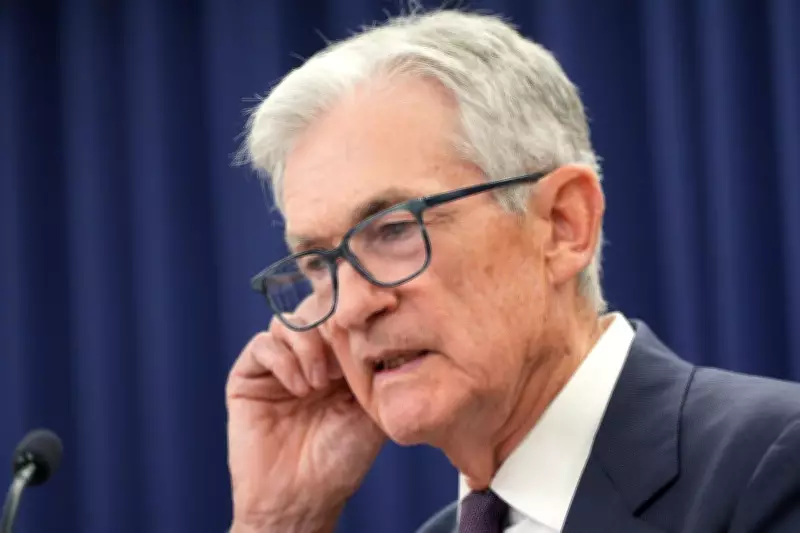
Iran Conflict Forces Federal Reserve to Rethink Interest Rate Strategy
The Federal Reserve, under Chair Jerome Powell, is facing a complex economic landscape as the war in Iran intensifies, disrupting previously outlined plans for monetary policy adjustments. This geopolitical crisis is injecting substantial uncertainty into global markets, compelling the central bank to reassess its approach to potential interest rate cuts in the coming months.
Geopolitical Turmoil Disrupts Economic Forecasts
The ongoing military engagement in the Middle East has triggered a sharp surge in global oil and gas prices, directly impacting inflation metrics and consumer spending power. This energy price shock arrives just as the summer driving season approaches in North America, exacerbating cost pressures on households and businesses alike. The conflict has also severely disrupted critical shipping routes, including the Strait of Hormuz, creating bottlenecks in international trade and supply chains.
These combined factors present a significant challenge for the Federal Reserve's dual mandate of price stability and maximum employment. Prior economic models, which anticipated a controlled cooling of inflation, are now being stress-tested by these external shocks. Analysts note that the central bank must now weigh the risks of persistent inflation against the potential for an economic slowdown induced by higher fuel costs and reduced consumer confidence.

Market Volatility and Policy Uncertainty
Financial markets have reacted with pronounced volatility to the evolving situation. The prospect of prolonged conflict has led to increased demand for safe-haven assets and heightened scrutiny of the Fed's next moves. "The calculus for rate cuts has fundamentally changed," observed one senior market strategist. "The Fed must now navigate a scenario where cutting rates too soon could let inflation become entrenched, while delaying cuts could unnecessarily tighten financial conditions."
This policy dilemma is unfolding against a backdrop of other domestic and international pressures:
- Global airlines are raising fares and cutting routes due to ballooning fuel costs.
- Consumer affairs are being impacted by rising prices at the pump and for goods.
- International trade faces new hurdles with shipping disruptions.
- Corporate news highlights how businesses are adjusting to increased operational expenses.
The Path Forward for Monetary Policy
Chair Powell and the Federal Open Market Committee are expected to adopt a highly data-dependent stance in their upcoming meetings. Policymakers will be closely monitoring:
- Core inflation readings, excluding volatile food and energy prices.
- Labor market strength and wage growth trends.
- Consumer spending patterns and business investment sentiment.
- Global economic indicators and stability in financial markets.
The number and timing of any potential rate cuts, which were a topic of active discussion earlier in the year, are now shrouded in greater uncertainty. The Fed's communications will likely emphasize flexibility and a readiness to respond to evolving economic data, with a heightened focus on managing inflation expectations in this new, volatile environment. The central bank's next steps will be crucial in steering the U.S. economy through a period marked by unexpected geopolitical strife and its wide-ranging economic consequences.