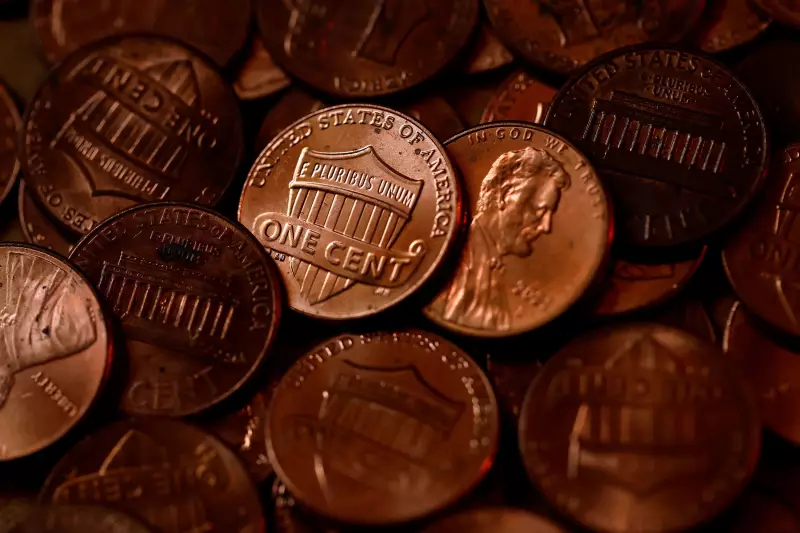
The recent elimination of the U.S. penny has sparked serious discussions about whether the nickel might be the next coin facing extinction in American currency. This development raises important questions about the future of physical money and its economic viability in an increasingly digital world.
The End of an Era for American Coinage
With the U.S. government officially discontinuing the penny in October 2025, financial experts and policymakers are now examining the practicality of maintaining the five-cent piece. The penny's departure from circulation marks the first major change to American coinage in decades and sets a precedent for evaluating other denominations.
The production cost of nickels has consistently exceeded their face value for years, creating a significant financial burden on the U.S. Mint. This economic reality mirrors the situation that ultimately doomed the penny, where manufacturing expenses made continued production financially unsustainable.

Economic Pressures Mounting Against the Nickel
Multiple factors contribute to the growing uncertainty surrounding the nickel's future. Rising metal prices, particularly for copper and nickel, have dramatically increased production costs. Meanwhile, the declining use of cash in everyday transactions reduces the practical need for physical coins.
Several economic studies have demonstrated that the nickel costs approximately 7-8 cents to produce, meaning the government loses money on every single coin minted. This subsidy model becomes increasingly difficult to justify as digital payment methods continue to gain popularity among consumers and businesses alike.
Potential Implications for Canadian Currency
While the current discussion focuses on American coinage, developments in the United States often influence Canadian monetary policy. Canada eliminated its own penny in 2013, demonstrating that such currency reforms are feasible and can proceed smoothly.
Canadian financial institutions are closely monitoring the U.S. nickel debate, as similar economic pressures affect Canadian coin production. Though no immediate changes to Canadian nickel production are planned, the outcome of American deliberations could inform future Canadian currency decisions.
The conversation around coin elimination extends beyond mere economics. Cultural attachment to physical currency and concerns about digital divides make these decisions emotionally charged for many citizens. However, the relentless march of technological progress and economic reality continues to push the discussion forward.
As the United States grapples with the future of its five-cent piece, the entire North American financial community watches with keen interest. The nickel's fate may well signal broader transformations in how we conceptualize and use money in the 21st century.