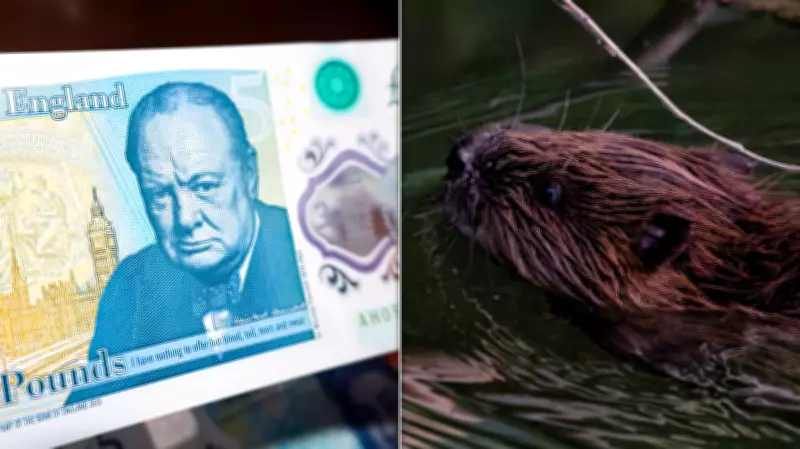
UK Banknotes Spark Culture War as Churchill Replaced by Wildlife
The Bank of England has ignited a fierce culture war with its announcement to replace portraits of historical figures, including Winston Churchill, with images of wild animals and nature on the nation's currency. The move, which will affect four banknotes, has been condemned by some politicians as "the definition of woke," sparking a heated debate over national identity and symbolism.
Historical Figures Make Way for Nature
On Wednesday, the central bank revealed that the next series of banknotes will feature native wildlife instead of iconic people. Currently, the £5 note bears the portrait of Winston Churchill, the World War II leader often hailed as the greatest Briton, while other notes showcase author Jane Austen, painter J.M.W. Turner, and scientist Alan Turing. William Shakespeare was the first historical figure to appear on banknotes in 1970.
Monarchs have been featured since Queen Elizabeth II first appeared in 1960, and King Charles' portrait will continue to be included. The change follows a public consultation, with the Bank stating that the new design aims to enhance security and celebrate the UK's diverse wildlife.

"Nature is a great choice from a banknote authentication perspective and means we can showcase the UK's rich and varied wildlife on the next series of banknotes," said Victoria Cleland, the Bank's chief cashier, in a statement.
Political Outrage and Criticism
The announcement quickly drew criticism from political figures, particularly from the right. Nigel Farage, the Brexit advocate and leader of the hard-right Reform UK party, wrote on social media: "The Bank of England is replacing Winston Churchill with a picture of a beaver on our bank notes. This is the definition of woke."
Even centrist politicians joined the fray. Ed Davey, leader of the Liberal Democrats, commented: "Winston Churchill helped defeat fascism in Europe. He deserves better than being replaced by a badger." Media outlets like the Daily Mail amplified the controversy with headlines such as "A Grim Orgy Of Virtue-Signalling."
Overlooked Facts and Security Rationale
Amid the outrage, key details have been conveniently ignored. Churchill has only been featured on the £5 note since 2016, and his initial inclusion was not without controversy. In contrast, figures like George Washington have adorned U.S. currency for much longer, with Washington on the $1 bill since 1869.
The Bank's public survey found that "notable historical figures" ranked only third in popularity as a theme for banknotes. Additionally, the Bank argues that images of native animals will be harder for counterfeiters to replicate than portraits of famous people, enhancing currency security.
Political Implications and Broader Context
Luke Charters, a Labour Party MP and former Bank of England employee, defended the decision, suggesting that attacks from Reform UK are attempts to undermine the Bank's independence. "I back the Bank to keep our currency secure, not to be dragged into political point-scoring," he stated.
The controversy is likely to persist, especially given recent tensions between the UK and the U.S. President Donald Trump, who keeps a bust of Churchill in the Oval Office, recently criticized UK Prime Minister Keir Starmer for refusing to allow the use of the Diego Garcia military base for strikes on Iran, remarking: "This is not Winston Churchill we are dealing with." This comment underscores the symbolic weight Churchill carries in international relations.
As the debate rages on, the Bank of England's shift toward wildlife-themed banknotes highlights deeper cultural and political divides, with security and public preference pitted against traditionalist views of national heritage.