A U.S. Department of Justice investigation into Federal Reserve Chairman Jerome Powell has triggered significant political and financial backlash, raising profound concerns about the independence of the central bank. The probe, confirmed on January 12, 2026, has drawn both condemnation and support from various quarters, highlighting the delicate balance between oversight and autonomy for the institution that sets American monetary policy.
Details of the Investigation and Immediate Reactions
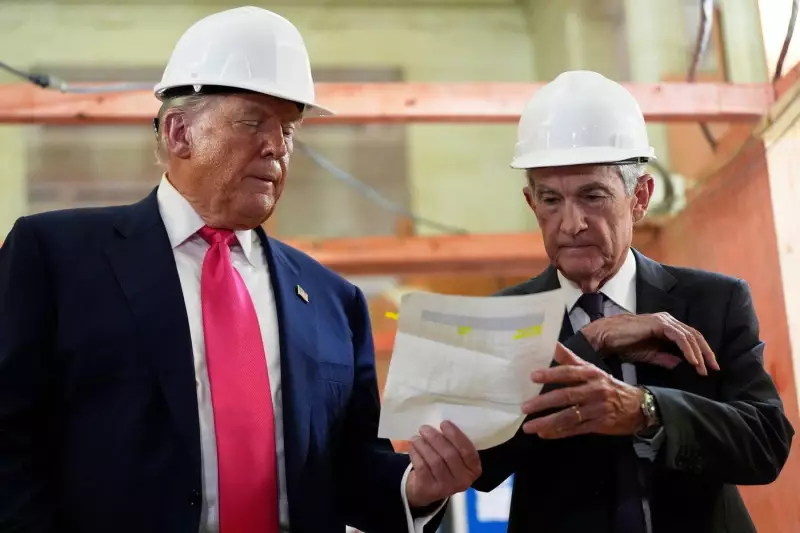
The specifics of the Justice Department's inquiry into Chair Powell have not been fully disclosed to the public. However, its mere existence has sent shockwaves through financial and political circles. The investigation comes amidst a complex economic landscape and follows a notable interaction between Powell and former President Donald Trump at the Federal Reserve in Washington on July 24, 2025.
Critics of the probe argue that it represents a dangerous politicization of the Federal Reserve, an institution traditionally shielded from direct political pressure to ensure its decisions are based on economic data rather than short-term political goals. Supporters of the investigation, though less vocal in initial reports, suggest it is a necessary exercise in accountability.

International Support for Fed Independence
The controversy has not been confined to the United States. In a notable show of solidarity, Bank of Canada Governor Tiff Macklem publicly expressed his support for Chair Powell. Macklem's backing underscores a fundamental principle shared among central bankers globally: operational independence is crucial for maintaining economic stability and controlling inflation.
This international dimension highlights how actions perceived as threatening the Fed's autonomy can resonate in global financial markets and influence the stance of allied institutions. The Bank of Canada's public support serves as a powerful endorsement of the norm of central bank independence.
Broader Implications for Economic Policy
The Department of Justice investigation into Jerome Powell sets a potentially troubling precedent. Analysts fear that such probes, regardless of their eventual outcome, could constrain future Fed chairs, making them hesitant to make unpopular but economically necessary decisions for fear of legal or political reprisal.
The situation places Federal Reserve independence—a cornerstone of modern economic policy—under an unprecedented spotlight. The debate now centers on whether this investigation is a routine matter of legal scrutiny or a step toward eroding the firewall between monetary policy and political influence.
As the story develops, the financial world will be watching closely to see how the investigation proceeds and whether it impacts the Fed's ability to steer the U.S. economy without fear or favor.