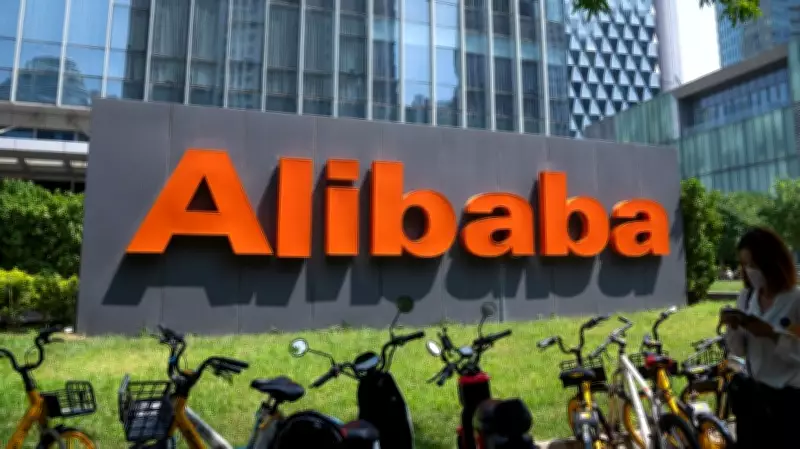
Chinese technology firm Alibaba continues to face a profit squeeze as it ramps up spending on artificial intelligence and instant retail services, according to a Reuters report published on May 13, 2026. The company's investment strategy, aimed at bolstering its competitive edge in these high-growth areas, has weighed on its bottom line.
Financial Impact
Alibaba's latest financial results reveal that increased expenditure on AI development and instant retail operations has eroded profitability. The company has been channeling significant resources into building out its AI capabilities, including large language models and cloud-based AI services, as well as expanding its instant retail network to compete with rivals like JD.com and Meituan.
Analysts note that while these investments are crucial for long-term growth, they have created short-term pressure on margins. The profit squeeze reflects a broader trend among Chinese tech giants, who are investing heavily in next-generation technologies amid a slowing domestic economy and intense market competition.

Market Reaction
Investors have responded cautiously to Alibaba's spending spree, with the company's stock experiencing volatility following the earnings release. Some analysts remain optimistic, arguing that the investments position Alibaba for future growth in AI-driven services and the rapidly expanding instant retail market. Others, however, express concern about the timeline for returns on these investments.
The company's instant retail segment, which includes grocery and convenience store delivery, has seen strong demand but requires substantial logistical infrastructure. Similarly, AI investments, while promising, are still in early stages of monetization.
Alibaba's management has defended the strategy, emphasizing that the spending is necessary to maintain leadership in key technology areas. The company expects these investments to drive revenue growth in the coming years, but near-term profitability remains under pressure.
As Alibaba navigates this challenging period, the broader tech industry will be watching closely to see if its aggressive investment strategy pays off in the long run.