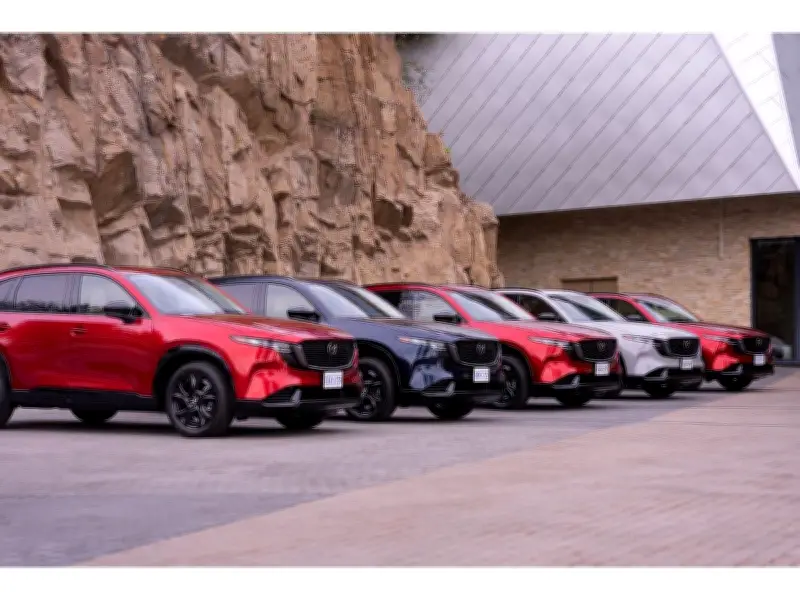
A new study by Mazda Canada Inc. reveals that Canadians are shifting their relationship with technology, favoring experiences that feel intuitive and seamless rather than feature-heavy. Conducted in collaboration with Dr. Cosmin Munteanu, a Human-Computer Interaction expert from the University of Waterloo, the national survey highlights a growing desire for technology that supports natural interaction and everyday life without being intrusive.
Key Findings from the Study
According to the research, 67% of Canadians prefer technology that operates quietly in the background. Additionally, six out of ten respondents believe that better technology is defined by requiring less effort, not by having more features. On average, Canadians spend 4.6 hours per day using technology for personal activities, underscoring its deep integration into daily routines.
When it comes to driving, simplicity and ease of use are paramount. Nearly half of Canadians consider easy-to-follow navigation as the most valuable in-car feature. Many are also embracing voice controls as a more natural way to interact with technology while driving, allowing them to keep their focus on the road.

Human-Centric Design Philosophy
Amy Fleming, President and CEO of Mazda Canada Inc., commented on the findings: 'The role of technology in our lives is changing. People are looking for experiences that feel intuitive and human, where technology supports them in a way that feels effortless.' She emphasized that the all-new 2026 Mazda CX-5 is designed around Mazda's human-centric design and Omotenashi philosophy, aiming to make every moment behind the wheel feel easier, intuitive, and more connected.
The 2026 Mazda CX-5: Technology That Works in the Background
The redesigned CX-5 reflects this evolving mindset with a more human-centered approach to in-vehicle technology. Its refined interface prioritizes familiarity and ease, built around how people already interact with digital tools. Key features include Google built-in and voice-enabled functionality, allowing drivers to navigate, communicate, and access features hands-free. A clear, driver-focused layout reduces unnecessary steps and complexity, ensuring that technology supports the driver without becoming a distraction.
The study underscores a broader trend: Canadians are not seeking more technology, but rather technology that enhances their lives seamlessly. As vehicles become more connected, automakers like Mazda are focusing on creating experiences that feel natural and effortless, aligning with how people actually live and interact.