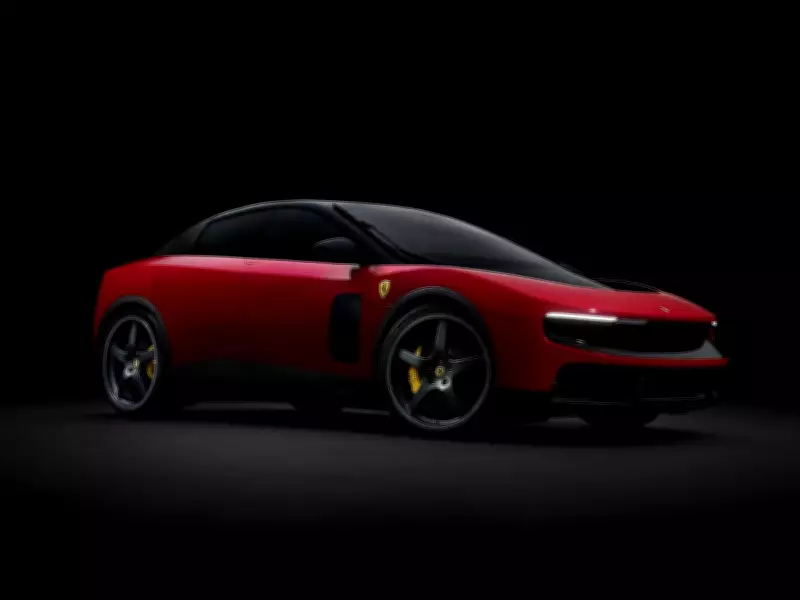
For a true car enthusiast, the launch of Ferrari's first electric vehicle, the Luce, last week was a moment of mixed emotions. It was not the shift to electric power that caused concern, as the iconic automaker was likely to embrace this technology eventually. Rather, it was the sense that the EV debut came bundled with a broader identity reset, as if Ferrari felt it needed to become something else to move forward.
Identity in Investing and Branding
This situation offers a powerful lesson for investors. In the world of finance, identity is your process — how you allocate capital, manage risk, and behave under pressure. This identity is built over years of experience, market cycles, and even mistakes. Like a luxury brand, it compounds quietly over time, becoming more powerful the longer you stick with it. However, it also gets tested and must learn to become anti-fragile, improving with adversity.
The Danger of Borrowing Another Identity
There is a saying that it is acceptable to borrow ideas, but never to borrow another identity. Authenticity matters, especially in the luxury market. An authentic brand reflects a carefully crafted character that you recognize immediately without needing an explanation. If you are not careful, a reputation that took decades to build can be erased overnight.

The problem arises when you ask a phone designer, such as Apple's former design head Jony Ive, to shape a Ferrari. You risk ending up with something that feels like a phone: clean, efficient, and even impressive in isolation, but completely disconnected from what made it matter in the first place.
Market Reaction and Historical Precedents
In my view, the Luce would be a smashing success if it were an Apple product wearing an Apple badge at a fraction of the price. Instead, Ferrari has placed it at the very top end of the market, and the investor reaction to its share price suggests the same tension I felt. This is not an isolated phenomenon. We recently saw what can happen when a legacy brand tries to start over too aggressively. Jaguar's late-2024 repositioning alienated much of its existing customer base, followed by a significant collapse in sales.
Lessons for Investment Managers
As a professional money manager with my own approach, style, and branding, there are important lessons here. The last thing I would want is to turn a Ferrari into a Nissan Leaf. In investing, there are always moments when what you do stops working, or at least appears to. This is when you might be tempted to abandon your process entirely and copy a different strategy that is outperforming at the time.
This is how style drift begins. You start taking small shortcuts to play catch-up, and before you know it, you have moved away from the very approach that made you effective. You end up with an expensive car that looks like a phone — a product that may be impressive in its own right but has lost the essence of what made it special.
Conclusion
Ferrari's electric vehicle launch serves as a warning to investors tempted to abandon their proven processes. Stick to your identity, refine it through adversity, and avoid the allure of reinvention for its own sake. The market rewards authenticity and discipline, not impulsive rebranding.