A wine merchant recently flew to Australia to buy a bottle of vermouth from Vancouver Island, highlighting the absurdity of Canada's interprovincial trade barriers. Robbie Raskin, owner of Archives Wine and Spirit Merchants, fell in love with a B.C. vermouth but couldn't ship it to Ontario due to provincial restrictions. The producer feared being blacklisted by the LCBO, so Raskin bought the wine through an Australian retailer and declared it at the border—the only legal way to bring it home.
Economic Impact of Internal Trade Barriers
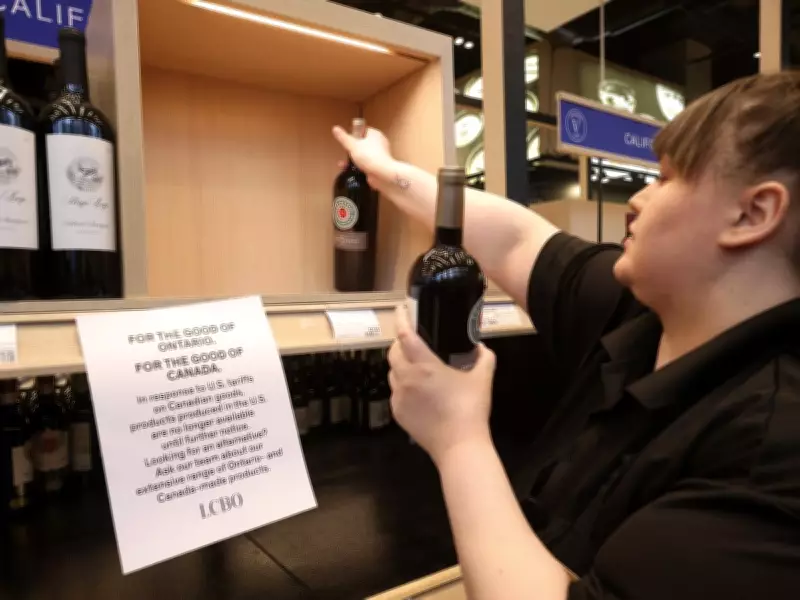
Removing internal trade barriers could boost Canada's GDP by seven percent, or over $200 billion annually, according to experts. Yet, provinces continue to restrict alcohol sales, treating products from other provinces like foreign imports. At the Queens Quay LCBO store, empty shelves from removing U.S. alcohol in March 2025 highlight the lack of B.C. wines available locally.
Frustration Among Wine Merchants
Raskin expressed frustration that great Canadian wines from B.C. and Quebec cannot be sold in Ontario. All alcohol imports outside Ontario must go through the LCBO, which adds markups and often sells by the case, making the process impossible for many small producers. He noted that only three B.C. wines were available at his local LCBO, with limited options online.

Ryan Manucha, a research fellow at the C.D. Howe Institute, said Canada has thirteen separate economies rather than one domestic market. While a national agreement aims to finalize direct-to-consumer alcohol sales by May 2026, only Manitoba and Nova Scotia have signed deals with Ontario. Manucha stressed the need for provinces to meet expectations to address the patchwork of trade barriers.