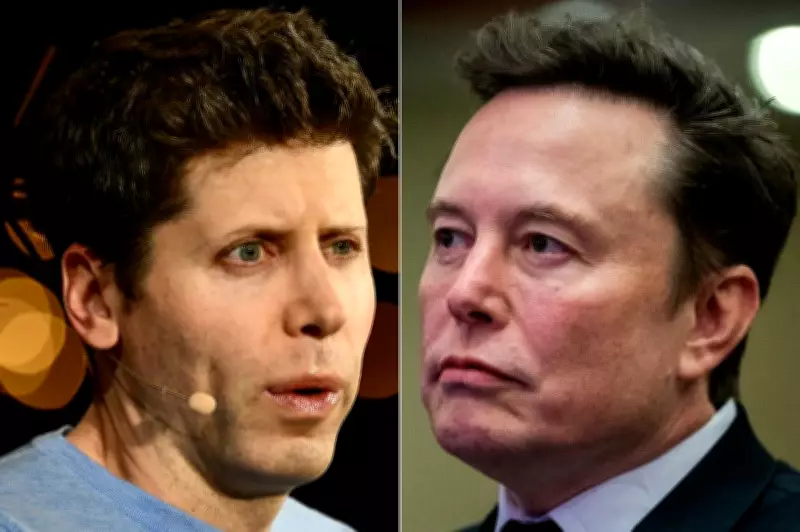
Elon Musk and Sam Altman co-founded OpenAI in 2015 as a non-profit research laboratory. However, in 2019, the company evolved by creating a 'for-profit' subsidiary responsible for ChatGPT, the world's most famous AI tool.
The Break and Legal Fallout
Musk left OpenAI's board in 2018 and has since criticized the company's shift to a for-profit model. This rift has escalated into a highly public legal battle, currently in trial in a California federal court. Musk is suing for billions in 'wrongful gains,' alleging Altman abandoned OpenAI's original non-profit mission. Altman counters that a for-profit structure was necessary for scaling success.
Relatable Legal Issues for Business Owners
While billionaires may seem far removed from everyday business, the legal issues in this case are highly relatable. Proving the actual deal between Musk and Altman—what was agreed in 2015 and whether it changed—is central to the case. Evidence often comes from digital records like emails, Slack messages, and texts.

Witness credibility and motive also matter. Both Musk and Altman are expected to testify, and their actions within OpenAI will be scrutinized. Notably, Musk attempted to purchase OpenAI's assets multiple times in recent years.
Legal posturing between competitors is common and costly. After leaving OpenAI, Musk launched his own AI product, xAI, raising issues of confidentiality, trade secrets, and client data.
Lessons for Founders
If Musk proves he was misled, it serves as a warning for scaling startups. Key takeaways include:
- Keep a paper trail: Written agreements and digital communications define relationships and reduce legal risk.
- Document the pivot: Ensure corporate transitions are supported by board approvals and clear records. Timely notice to stakeholders is crucial.
- Update contracts: When business models shift, agreements and equity structures must reflect the new reality.
This case reminds us what happens when relationships sour and paperwork is not bulletproof.