Canadians have demonstrated remarkable resilience despite an uncertain economy facing additional stress from the war on Iran, executives at Canada's largest banks said on Thursday after reporting second-quarter earnings that surpassed analysts' expectations.
Consumer Strength Amid Challenges
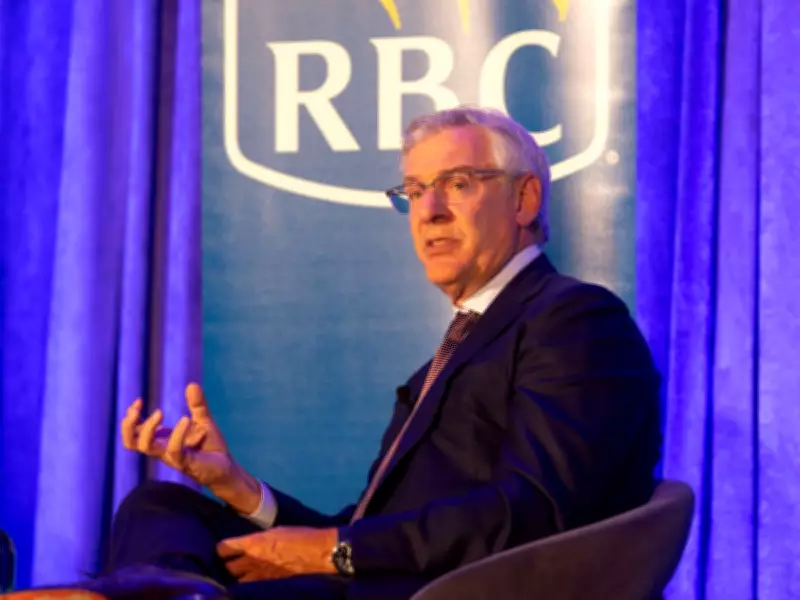
Royal Bank of Canada chief executive Dave McKay noted that consumers continue to spend and save despite sluggish activity in the real estate sector, which plays a significant role in the economy. He emphasized that any weakness in Canadian sectors exposed to United States tariffs has not spread into the broader economy.
"I am really impressed by the resilience of the Canadian economy right now," McKay said during a call with analysts. "I see so many positive trends."

Toronto-Dominion Bank chief risk officer Ajai Bambawale attributed the resilience of Canadian consumers to declining interest rates, wage growth, and ongoing government support. However, he acknowledged signs that some consumers are under pressure, which was expected.
Tariff Impacts and Long-Term Outlook
Despite his hopeful outlook, McKay cautioned that "we should be all-eyes-wide-open about Section 232 impacts," referring to legislation allowing the U.S. to impose trade restrictions on imports deemed threatening to national security. For example, U.S. President Donald Trump has targeted steel and aluminum imports, weighing on parts of Canada's exporting and manufacturing sectors.
In the longer term, McKay expressed optimism that Canada's decision to accelerate key energy projects will boost the economy. "These are going to still take a while to get shovels in the ground, but they're moving at a pace that we haven't seen before," he said. "And I'm getting excited about the opportunity to deploy RBC capital into that."
Bank Earnings and Credit Losses
All Big Six banks reported earnings this week, providing a barometer for the economy's direction. Provisions for credit losses (PCLs) — the amount banks set aside for potentially bad loans — were a key theme. Analysts had expected ongoing economic uncertainty to keep PCLs elevated, a shift from earlier forecasts of gradual improvement in the second half of 2026.
RBC's total PCLs in the second quarter fell to $912 million from $1.09 billion in the previous quarter and $1.4 billion a year ago, helping the bank top expectations for the period ending April 30. RBC's net income rose to $5.5 billion, up $1.12 billion or 25% from a year earlier, resulting in net earnings per share of $3.85.
Bambawale said he expects some pressure on PCLs due to trade and tariff actions, potential impacts from the Middle East war, and the macroeconomic environment. However, TD is prepared, having set aside close to $500 million for PCLs, most of which remains unused.