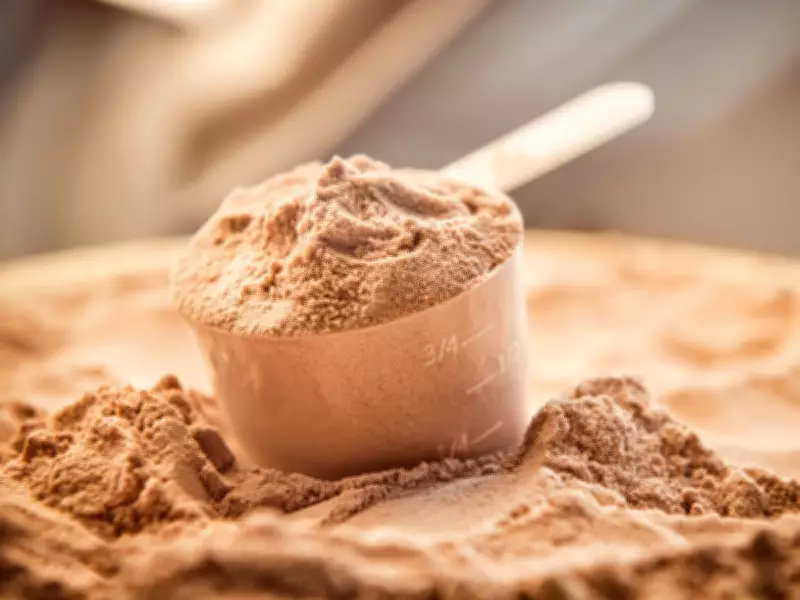
The food industry's obsession with adding protein to everything from chips to lattes is now causing a severe shortage of whey protein, leading to skyrocketing prices and forcing some manufacturers to halt production or reformulate their products.
Supply Struggles to Keep Up with Demand
In early May, a supplier informed HelloAmino, a baking and beverage company based in Canada, that it had run out of whey protein. Founder Aelie Swift scrambled to find a new supplier, eventually importing whey protein isolate from the United States at a price 50% higher than before, with further increases expected. The new supplier's different processing method also caused the company's baked goods to dry out, turning pancakes into "sawdust." Swift plans to reformulate using a different combination of proteins, as whey has become too expensive to use as before.
Protein Mania Strains Supply Chains
The protein craze has swept the food industry, with major companies like Mars Inc. launching Protein Eggo waffles and Starbucks Corp. adding protein cold foams. Whey protein, a complete protein that dissolves easily and can be added to various foods, became a star ingredient. However, the supply chain is struggling to keep up. Some suppliers are already sold out for the rest of the year, according to the U.S. Department of Agriculture. Prices for high-protein whey concentrate have jumped more than 40% on average in just the last couple of months.

Whey as a Byproduct of Cheese Making
Whey protein is a byproduct of cheese making, so production cannot be easily ramped up independently. During cheese making, milk is separated into curds and liquid whey, which is then pasteurized and dried into protein powders. Bryan Weller, vice president of commodity and dairy sales at dairy cooperative Agri-Mark, which manufactures cheese under the Cabot Creamery brand, said, "You start to think of yourself as a protein company, not a cheese company. That's just how crazy it's gotten." Agri-Mark is completely oversold on whey protein and still receives daily requests for immediate purchases.
Companies Scramble to Secure Supply
Buyers now need existing relationships with whey producers, whereas previously producers would approach food companies, said George Saker, vice president of supply chain at protein bar company David. This will become even more crucial in the second half of the year as food companies with higher-than-anticipated demand negotiate for more product. David Lenzmeier, CEO of ingredient supplier Actus Nutrition, noted that many companies are focused on locking down supply and are willing to "roll with what the market price is" just to obtain whey.