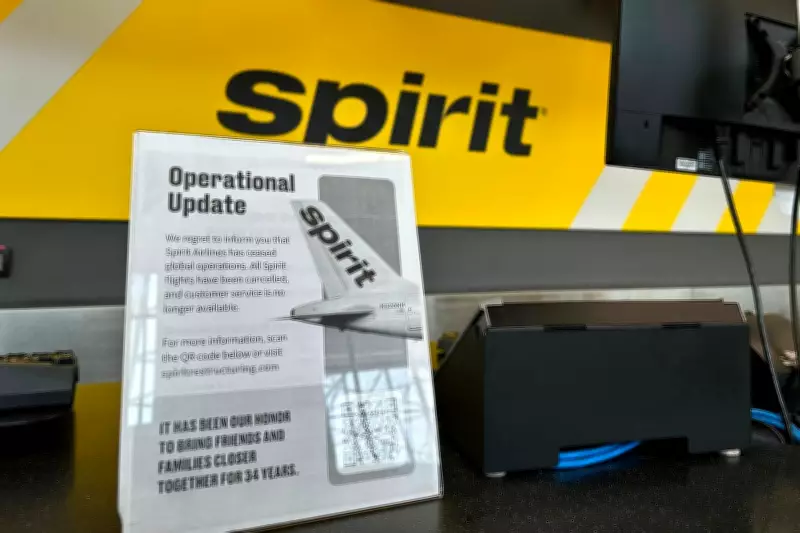
Spirit Airlines, known for its ultra-low-cost model, officially shut down on May 2, 2026, leaving travelers and industry experts reflecting on its downfall. The airline, which once promised affordable travel, ultimately failed because too many passengers despised the flying experience.
Customer Dissatisfaction at the Core
Spirit's business model relied on bare-bones service with add-on fees for everything from carry-on bags to seat selection. While this kept base fares low, it alienated customers who felt nickel-and-dimed. Surveys consistently ranked Spirit among the lowest in customer satisfaction, with complaints about cramped seats, frequent delays, and poor customer service.
Financial Struggles and Competition
The airline faced mounting financial pressures, including rising fuel costs and labor shortages. Competitors like Frontier and Southwest offered more value, while legacy carriers matched low fares on key routes. Spirit's attempt to merge with JetBlue failed due to antitrust concerns, leaving it vulnerable.

Impact on Employees and Passengers
The shutdown stranded thousands of passengers and left over 10,000 employees jobless. Spirit's fleet of Airbus planes will likely be absorbed by other carriers, while its brand fades into aviation history.
Lessons for the Industry
Spirit's failure underscores the importance of balancing low costs with customer experience. As airlines evolve, the market may shift toward more transparent pricing and better service. The era of ultra-low-cost carriers may be waning, but the demand for affordable travel remains strong.
For now, Spirit's demise serves as a cautionary tale: in the competitive airline industry, customer loyalty is hard to earn and easy to lose.